

Industry News
How Do Professionals Polish Jewelry?
Introduction: The Craft of Bringing Jewelry Back to Life
Jewelry, whether a family heirloom or a modern masterpiece, carries a timeless charm. Yet, daily wear can rob it of its sparkle, leaving scratches, tarnish, or a lackluster finish. That’s where professional jewelers step in. Polishing isn’t just wiping down a piece of metal—it’s a skilled blend of art and science that restores the brilliance of precious metals and gemstones. With specialized tools, proven techniques, and an eye for detail, professionals breathe new life into jewelry. This article explores the intricate process of professional jewelry polishing, covering the tools, steps, and safety measures that create that dazzling, mirror-like shine.
The Jeweler’s Toolkit: Must-Have Equipment for a Perfect Polish
A flawless jewelry finish demands a range of specialized tools, each with a distinct role. Here’s a look at the essentials in a jeweler’s workshop:Buffing Machines: The Power Behind the Polish
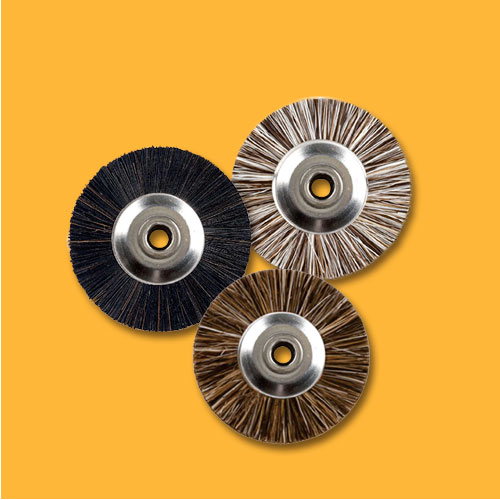
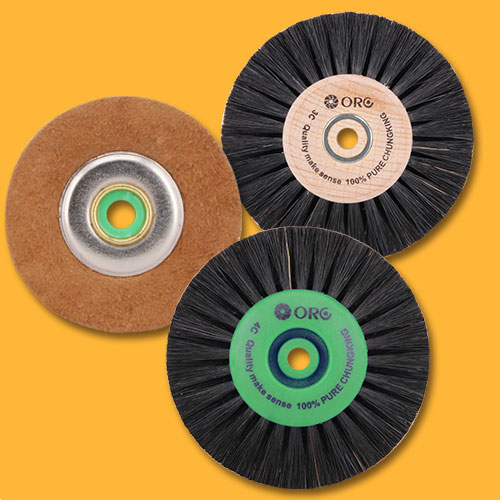
- Bench Grinders with Buffs: These sturdy machines use rotating spindles fitted with buffing wheels to tackle larger surfaces efficiently. Adjustable speeds allow jewelers to control material removal and polishing intensity.
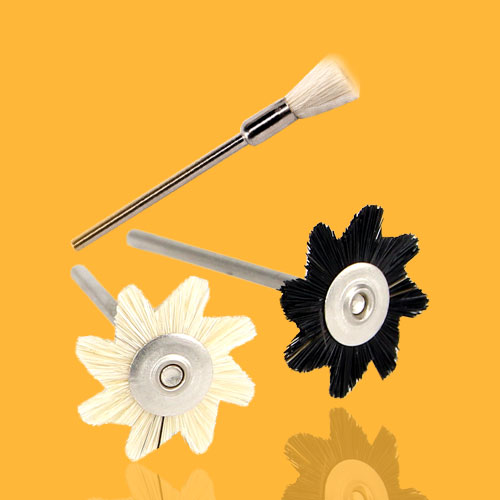
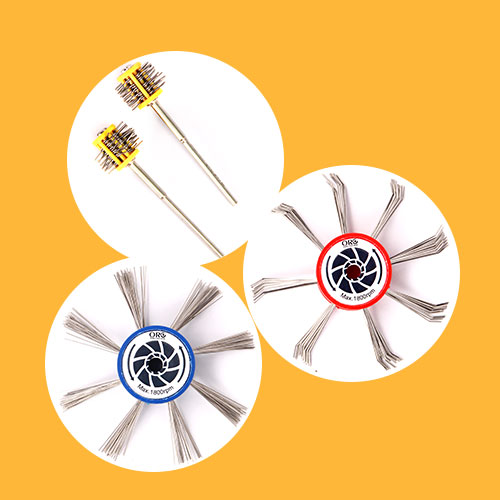
- Micromotor (Rotary Tools): These handheld devices offer precision for intricate designs and tight spaces. Jewelers attach small buffs, brushes, or polishing tips to handle delicate work with finesse.
Buffing Wheels and Pads: The Polishing Surface
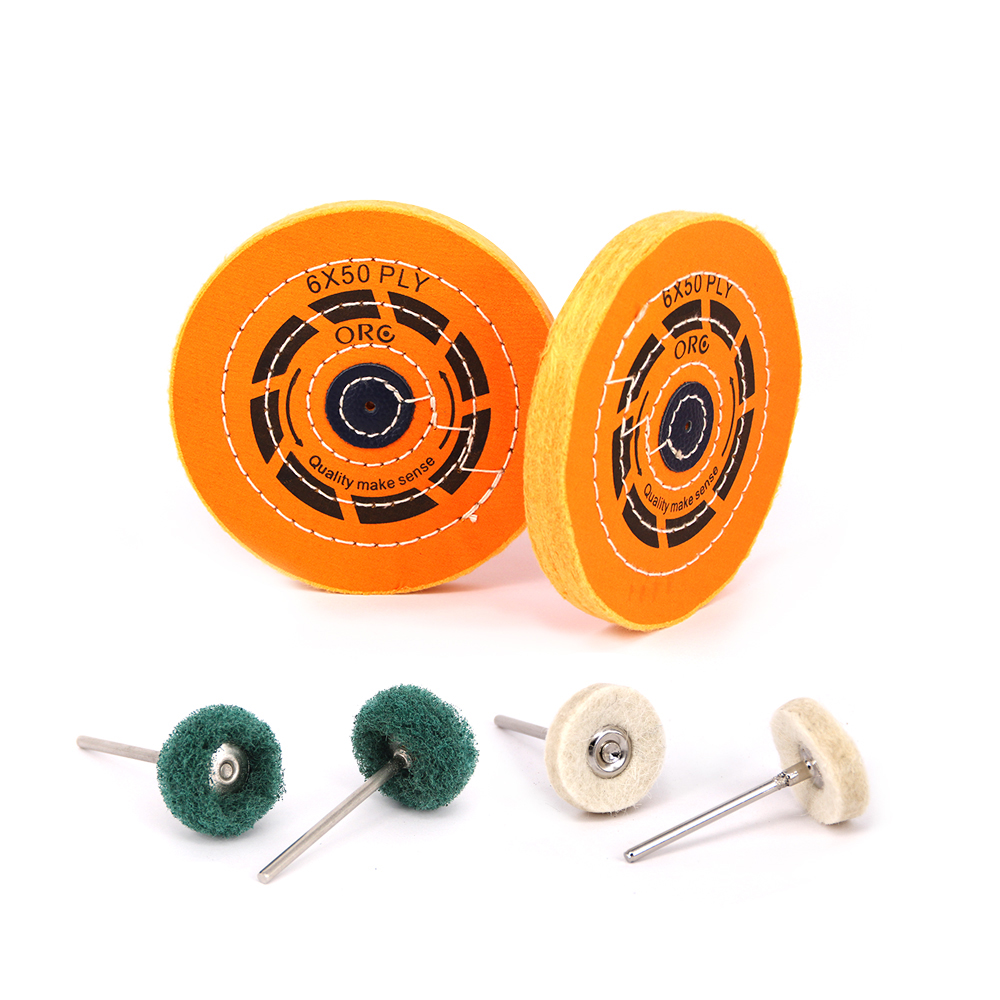
Choosing the right buffing wheel or pad depends on the metal, polishing stage, and desired finish:- Cotton Buffs: Versatile and widely used, these come in weaves like muslin or domette, offering varying levels of abrasiveness for general polishing.
- Felt Buffs: Dense and firm, felt buffs excel at achieving a high polish and navigating intricate details. They can be shaped for specific tasks.
- Wool Buffs: Ideal for softer metals, wool buffs hold polishing compounds well and deliver a smooth, polished finish.
Polishing Compounds: The Abrasion Experts
Polishing compounds, often called jeweler’s rouge or tripoli, are abrasive pastes or liquids that refine the jewelry’s surface. They vary by grit size and purpose:- Cutting Compounds (e.g., Tripoli): Coarser abrasives that remove scratches, oxidation, and imperfections.
- Polishing Compounds (e.g., Rouge): Finer abrasives for smoothing surfaces and creating an initial shine. Red rouge suits gold and silver, white works for platinum, and green delivers a high luster.
- Diamond Compounds: Used for hard materials, these pastes or liquids with micron-sized diamond particles create an exceptional, mirror-like finish.
Cleaning Tools: Prepping and Perfecting
While not directly involved in the abrasion process, these cleaning methods are vital for preparing the jewelry and removing any residual polishing compound:- Ultrasonic Cleaners: These devices use high-frequency sound waves in a cleaning solution to dislodge dirt, oils, and loose debris from the jewelry's surface and intricate settings.
- Steam Cleaners: Utilizing pressurized steam, these cleaners effectively blast away remaining polishing compound and grime, leaving the jewelry sparkling clean.
Hand Tools: The Human Touch
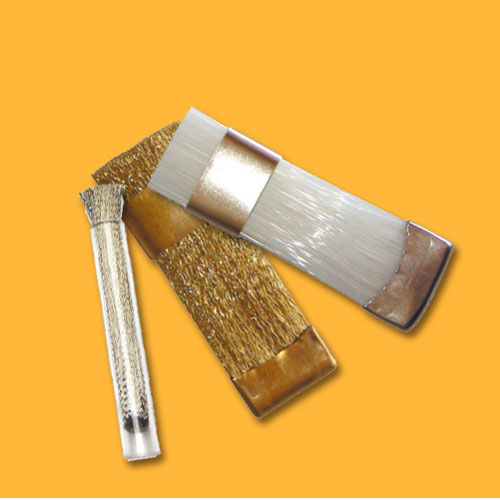
Even with machines, hand tools are vital:- Brushes: Available in materials like horsehair or nylon, these apply compounds, clean detailed areas, and remove residue.
- Polishing Cloths (e.g., Chamois, Microfiber): Perfect for final hand polishing and maintaining shine between professional sessions.
- Specialized Tools: Ring mandrels secure rings, tweezers handle small pieces, and protective tapes shield gemstones during polishing.
The Polishing Process: A Step-by-Step Path to Brilliance
Professional jewelry polishing follows a precise sequence to achieve stunning results without damaging the piece:Inspection and Prep: A Step-by-Step Path to Brilliance
Professional jewelry polishing follows a precise sequence to achieve stunning results without damaging the piece:- Inspection and Prep: Setting the Stage
- Metal Identification: They confirm the metal type (gold, silver, platinum) and karatage, as each requires specific techniques and compounds.
- Gemstone Evaluation: Delicate or porous gemstones may need protection or removal to avoid damage during aggressive polishing.
- Protecting Fragile Areas: Specialized tapes or coatings safeguard settings, enamel, or sensitive stones.
Initial Cleaning: Clearing the Way
An ultrasonic cleaner removes dirt, dust, and oils that could interfere with polishing, ensuring a clean starting point.Coarse Polishing: Tackling Imperfections
For pieces with scratches or tarnish, jewelers use a coarse cutting compound and a suitable buffing wheel to smooth the surface. Controlled pressure and timing prevent excessive metal removal.Intermediate Polishing: Refining the Finish
A medium-grit polishing compound and a clean buff further smooth the surface, bridging the gap between coarse cutting and the final shine.Final Polishing: Unveiling the Sparkle
Using a fine polishing compound, like jeweler’s rouge, on a soft buff, jewelers create a mirror-like finish. Specific rouges match the metal type to maximize luster.Final Cleaning and Inspection: Ensuring Perfection
A steam cleaner removes any leftover polishing compound, followed by a magnified inspection to confirm a smooth, scratch-free, and uniformly brilliant surface.Safety First: Protecting the Jeweler and the Jewelry
Polishing jewelry involves risks, so professionals follow strict safety measures:- Eye Protection: Safety glasses or goggles shield against flying debris and compound splatter.
- Respiratory Protection: Dust masks or respirators prevent inhalation of metal particles or compound dust.
- Ventilation: Proper airflow in the workshop reduces airborne particles.
- Safe Chemical Handling: Jewelers follow guidelines for storing and using polishing compounds and cleaning solutions.
- Machine Safety: Operating equipment per safety protocols prevents accidents.