

Industry News
What Do Jewelers Use to Polish Gold? A Complete Guide
Gold naturally loses its radiant shine from daily wear and micro-scratches. While DIY remedies might offer a quick fix, they never match the flawless mirror finish of a professional jeweler. The secret isn't magic—it's the right equipment. This guide reveals the exact rotary tools, buffing wheels, and specialized compounds jewelers use to restore gold's original brilliance. Skip the typical DIY tutorials and discover the professional process.


Ready to care for your jewelry? Start with the right tools. Our website offers professional-grade and user-friendly grinding and polishing consumables to help you achieve a brilliant shine at home.

Pre-Polishing Preparation: Cleaning Comes First
Before polishing, every professional jeweler starts with a thorough cleaning—a critical step often overlooked in at-home care.Why Cleaning Matters
Polishing a dirty piece is like rubbing sandpaper on your jewelry. Dust, grease, and lotion residue act as abrasives, scratching the delicate gold surface if not removed. Proper cleaning ensures a pristine starting point, preventing damage during polishing.Professional Cleaning Tools
Jewelers use advanced equipment to ensure every piece is spotless before it hits the polishing wheel.- Ultrasonic Cleaner: The cornerstone of professional cleaning, ultrasonic cleaners use high-frequency sound waves to create microscopic bubbles in a cleaning solution. These bubbles implode—a process called cavitation—dislodging dirt from intricate crevices and designs that a brush can’t reach. This ensures no scratch-causing particles remain.
- Mild Soap and Water: For delicate pieces, such as those with certain gemstones, jewelers opt for a gentle solution of warm water and mild, non-detergent soap to avoid damage.
Core Tools and Consumables: The Polishing Essentials
Once the jewelry is clean, jewelers turn to a combination of power tools and specialized compounds to achieve that signature mirror finish.Polishing Tools
- Rotary Tools: Most polishing is done with variable-speed rotary tools, ranging from heavy-duty bench-mounted lathes to precise micromotors. Micromotors are a jeweler’s go-to for intricate work, offering high torque at low speeds to avoid overheating or damaging the gold.
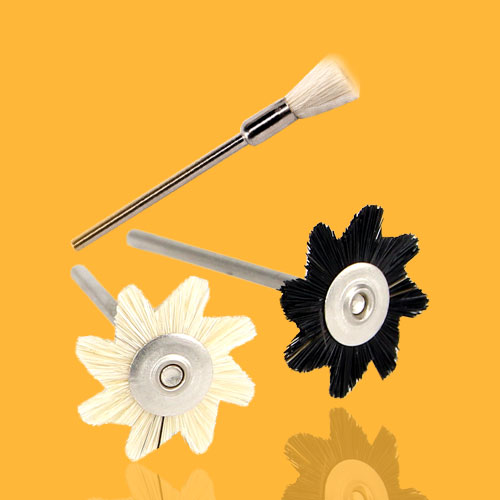
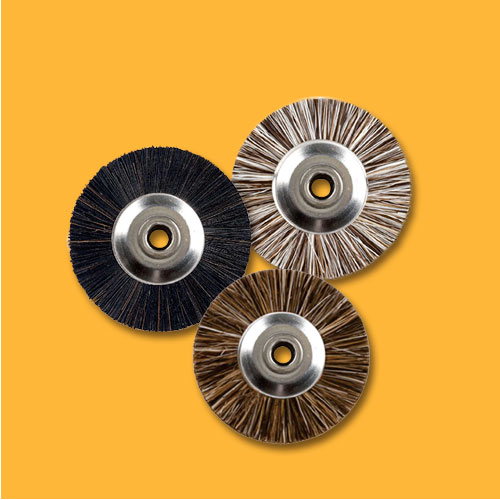
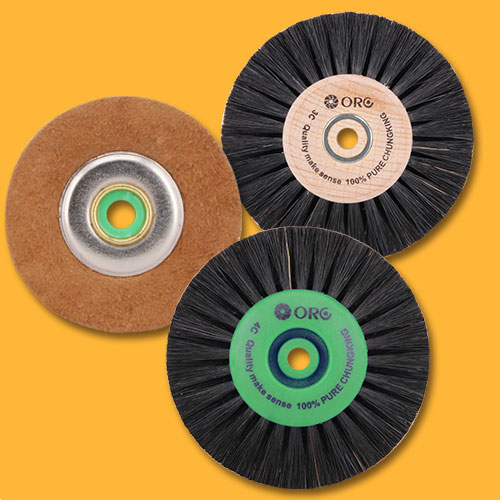
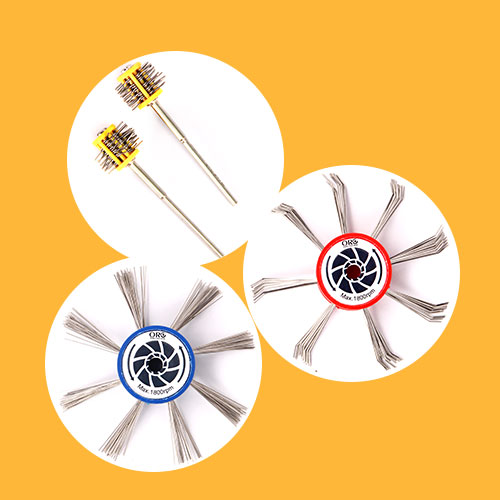
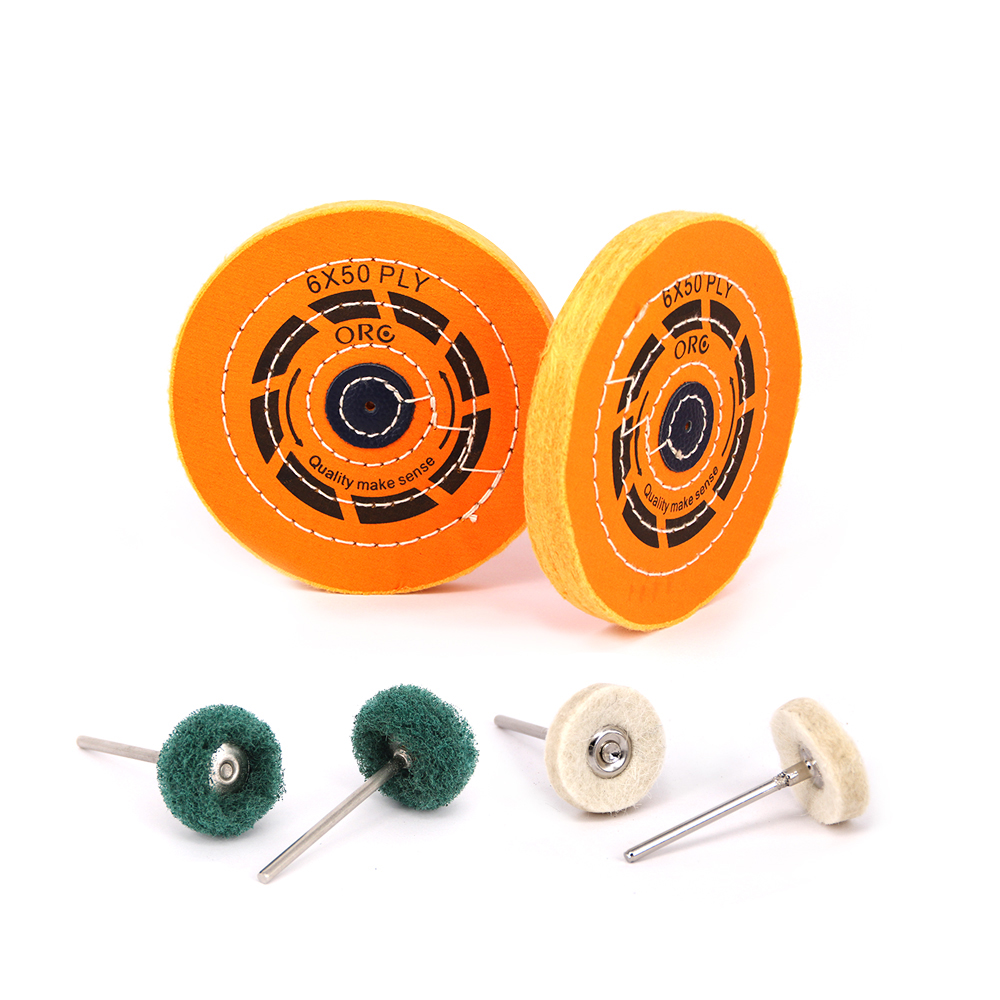
- Polishing Wheels: Available in materials like felt, cotton, or muslin, these wheels are chosen based on the task—stiff wheels for aggressive cutting, softer ones for a final buff.

Key Consumables: The Magic of Polishing Compounds
The true brilliance comes from polish for gold jewelry—wax-based blocks infused with abrasive minerals that create a flawless shine.- Jeweler's Rouge: The gold standard for gold jewelry polish, red rouge (made from fine iron oxide) is gentle enough to avoid scratching soft gold. Applied to a spinning wheel, it fills microscopic scratches, creating a smooth, reflective surface that restores the metal’s deep, lustrous shine.
- Other Polishing Compounds: For pieces with deeper scratches, jewelers may use a multi-stage approach. A coarser compound like Tripoli smooths the surface first, followed by lighter compounds, with red rouge as the final touch for a flawless finish.
The Gold Polishing Process: Step by Step
A professional finish hinges on technique. Here’s how jewelers polish gold jewelry to perfection.- Rough Polishing (if needed): For pieces with visible scratches, jewelers start with a coarse compound on a stiff wheel to remove a thin layer of metal, leveling the surface.
- Fine Polishing: Once scratches are smoothed, the jeweler switches to a clean wheel coated with jeweler’s rouge. Using light, even pressure, they buff the piece systematically to achieve a high-shine mirror finish.
- Final Cleaning: Polishing leaves a thin residue of compound. Jewelers remove it with another ultrasonic cleaning or a meticulous hand-wash, followed by a final wipe with a gold polishing cloth for a dazzling gleam. This cloth is also ideal for at-home maintenance.
DIY vs. Professional Tools: Know the Difference
Not all polishing tools are equal. Understanding the gap between at-home and professional equipment is key to achieving safe, effective results.| Tool Category | At-Home Use | Professional Jewelers |
| Power Tools | Hand-held rotary tools, cordless mini grinders | High-powered micromotors, bench lathes |
| Polishing Wheels | Small felt bobs, cotton pads | Large muslin buffs, felt wheels, silicone polishers |
| Polishing Compounds | Pre-treated cloths, liquid polishes | Jeweler’s rouge, Tripoli, white diamond compounds |
| Cleaning | Soft brush, mild soap | Ultrasonic cleaner, steam cleaner |
| Primary Goal | Light cleaning, basic shine | Scratch removal, restoring original mirror-like finish |
Ready to care for your jewelry? Start with the right tools. Our website offers professional-grade and user-friendly grinding and polishing consumables to help you achieve a brilliant shine at home.