

Industry News
What Material is Used for Polishing Jewelry?
Is your favorite necklace looking a little lackluster? Has that treasured ring lost its shine? Like us, jewelry needs some TLC to keep its brilliance alive. Polishing isn’t just about aesthetics—it restores your pieces’ inherent beauty, smooths out minor scratches, and extends their life. But what are the “magic” ingredients behind that dazzling finish? Spoiler: it’s not magic, but a precise blend of abrasive compounds and tools. Choosing the right materials is critical for a professional-grade polish while protecting your precious pieces from damage.

By understanding these materials, you can choose the best approach for your pieces, whether it’s a quick buff with an impregnated cloth or a full restoration with multiple compounds and tools. For top-quality polishing supplies designed for professional results, check out Orobrush’s extensive range of products. Give your jewelry the care it deserves and let its brilliance shine!
Ready to restore your jewelry’s dazzle? Explore Orobrush’s collection of buffing wheels, and tools today to find the perfect materials for your next project!

The Heart of the Shine: Abrasive Polishing Compounds
Polishing compounds, often called jeweler’s rouge or polishing paste, are the cornerstone of jewelry polishing. These blends of fine abrasive particles suspended in a binder (like wax or grease) gently smooth the jewelry’s surface, removing tiny imperfections to reveal the gleaming metal beneath. Think of it as ultra-fine sanding, refining the surface on a microscopic level.Types of Polishing Compounds and Their Roles
Different metals and finishes call for specific compounds. Knowing which to use ensures stunning results without harming your jewelry.Jeweler’s Rouge: Your Go-To for a Mirror-Like Finish
Jeweler’s rouge is the star of the polishing world, available in various colors, each tailored to specific metals and polishing stages:- Red Rouge (Iron Oxide): A classic choice for gold, silver, copper, and brass, red rouge delivers a high-gloss, mirror-like finish. It’s perfect for the final polish, erasing even the faintest scratches.
- White Rouge (Alumina): Made with aluminum oxide, white rouge provides a crisp, bright shine. It’s ideal for white gold, platinum, and stainless steel, ensuring a radiant luster.
- Green Rouge (Chromium Oxide): Formulated with chromium oxide, this harder compound tackles tougher metals like platinum, stainless steel, and chrome, achieving a brilliant polish on resistant surfaces.
Specialty Compounds for Specific Needs
Beyond rouge, other compounds play key roles in the polishing process:- Tripoli: This silica-based compound is coarser, making it ideal for initial cutting and scratch removal on softer metals. It’s your first step in tackling visible imperfections before switching to finer polishes.
- Fabral: A versatile, medium-cut compound (often white or gray), Fabral bridges the gap between initial cutting and final polishing, smoothing various metals effectively.
- Emery: Known for its aggressive cutting power, emery comes in different grits and is used for heavy-duty scratch removal. It’s typically reserved for significant surface prep before finer compounds take over.
Tools of the Trade: Applying Polish with Precision
Even the best compounds need the right tools to work their magic. These ensure the polish is applied evenly and consistently for a flawless result.Buffing Wheels: The Polishing Powerhouses
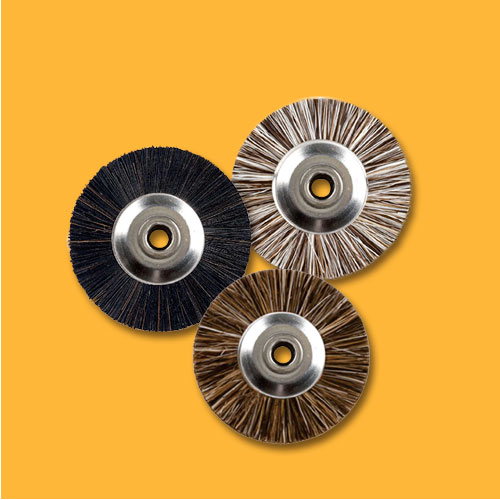
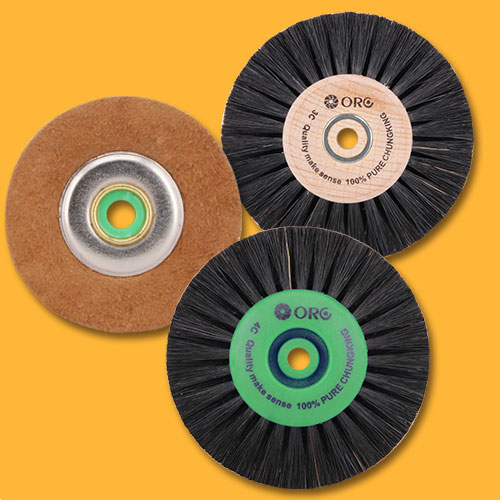
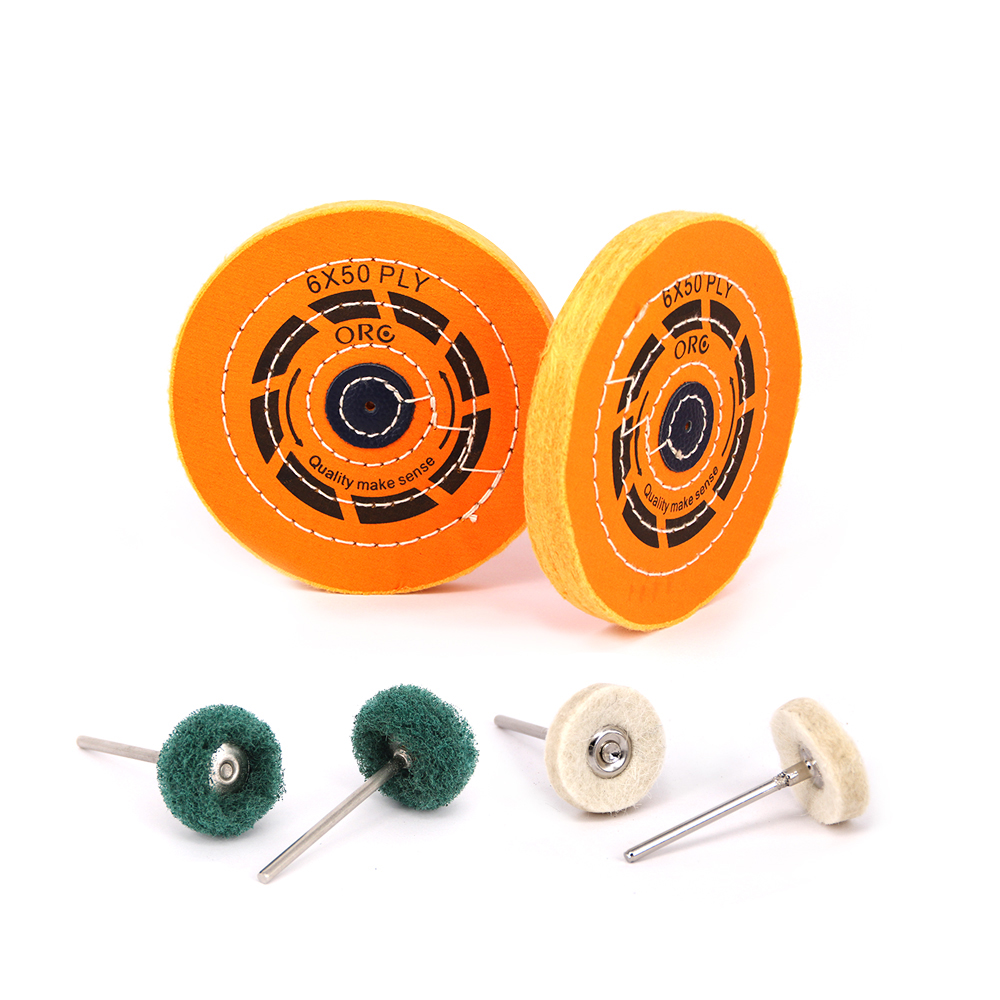
Buffing wheels are circular tools that hold and apply polishing compounds. Their material and stiffness affect the finish:- Cotton Wheels (Loose and Stitched): Loose cotton wheels are soft and flexible, perfect for intricate pieces and achieving a high-gloss polish. Stitched versions are firmer, offering more aggressive cutting for tougher tasks.
- Felt Wheels: Dense and rigid, felt wheels excel at polishing crevices and applying firm, even pressure for precise results.
- Muslin Wheels: A go-to for general polishing, muslin wheels balance firmness and flexibility for versatile use.
Polishing Cloths: Gentle Shine for Delicate Pieces
For quick touch-ups or intricate jewelry, polishing cloths are a must-have:- Microfiber Cloths: Ultra-soft and non-abrasive, these are great for final buffs or removing fingerprints and light tarnish.
- Chamois Cloths: Traditionally made from animal hide, chamois cloths are absorbent and gentle, ideal for achieving a high-luster finish.
- Impregnated Polishing Cloths: Pre-treated with mild polishing compounds, these offer a convenient, all-in-one solution for quick shines.
Rotary Tools: Precision for Detailed Work
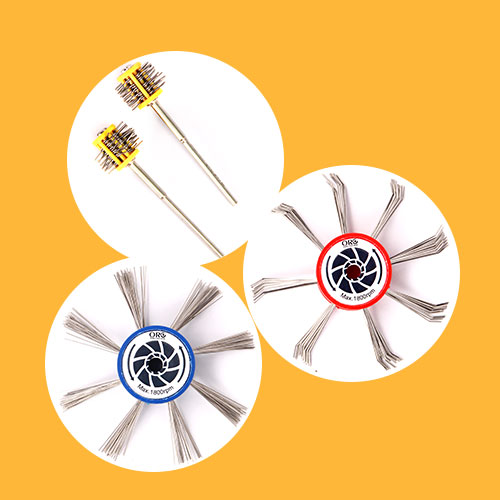
For hobbyists and pros alike, rotary tools with specialized attachments make polishing intricate designs a breeze:- Small Buffing Wheels: Mini versions of larger wheels, perfect for detailed work.
- Felt Bobs and Cones: Great for tight spots and complex designs.
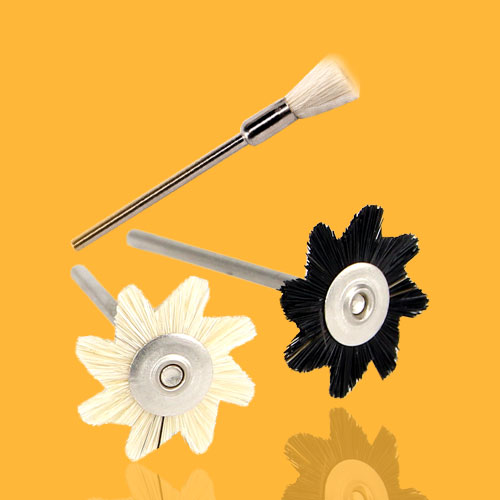
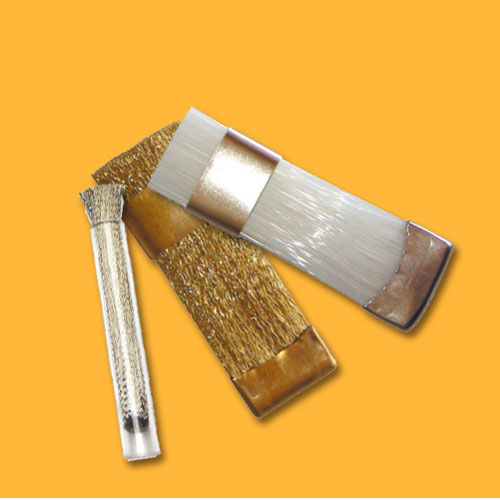
- Bristle Brushes: Ideal for cleaning and light polishing in textured areas.
Safety First: Protect Yourself While Polishing
Polishing may bring out your jewelry’s beauty, but it comes with risks. Abrasive dust, rotating tools, and chemical compounds require caution:- Ventilation: Polishing generates fine dust that can harm your lungs. Work in a well-ventilated space or use a dust collection system.
- Eye Protection: Flying particles are a hazard. Always wear safety glasses or goggles.
- Gloves: Nitrile or leather gloves protect your hands from abrasives and improve your grip on small pieces.
Conclusion: The Right Materials for Lasting Brilliance
So, what materials bring your jewelry back to life? It’s a tailored mix of abrasive compounds—like red rouge for a mirror shine or Tripoli for heavy lifting—paired with tools like buffing wheels, polishing cloths, or rotary attachments. Each plays a vital role in restoring and maintaining your jewelry’s sparkle.By understanding these materials, you can choose the best approach for your pieces, whether it’s a quick buff with an impregnated cloth or a full restoration with multiple compounds and tools. For top-quality polishing supplies designed for professional results, check out Orobrush’s extensive range of products. Give your jewelry the care it deserves and let its brilliance shine!
Ready to restore your jewelry’s dazzle? Explore Orobrush’s collection of buffing wheels, and tools today to find the perfect materials for your next project!