

Industry News
Are Jewelry Buffing Wheels Durable for Repeated Use?
In the intricate craft of jewelry making and restoration, achieving a flawless, mirror-like finish is everything. Among the tools that make this possible, the jewelry buffing wheel stands out. These simple yet effective fabric or felt discs, when paired with the right polishing compounds, transform dull metal into stunning works of art. But a question often lingers for jewelers and hobbyists alike: Can buffing wheels withstand repeated use?
The answer is a confident yes—but it comes with important considerations. A buffing wheel’s durability depends on its quality, materials, and, crucially, how you use and maintain it. By understanding these factors, you can maximize the lifespan of your polishing tools and achieve consistent, professional results.

The answer is a confident yes—but it comes with important considerations. A buffing wheel’s durability depends on its quality, materials, and, crucially, how you use and maintain it. By understanding these factors, you can maximize the lifespan of your polishing tools and achieve consistent, professional results.

What Makes a Buffing Wheel Durable?
A buffing wheel’s longevity starts with its design and construction. The materials and craftsmanship determine how well it holds up under the rigors of polishing.Material Composition: The Core of Resilience
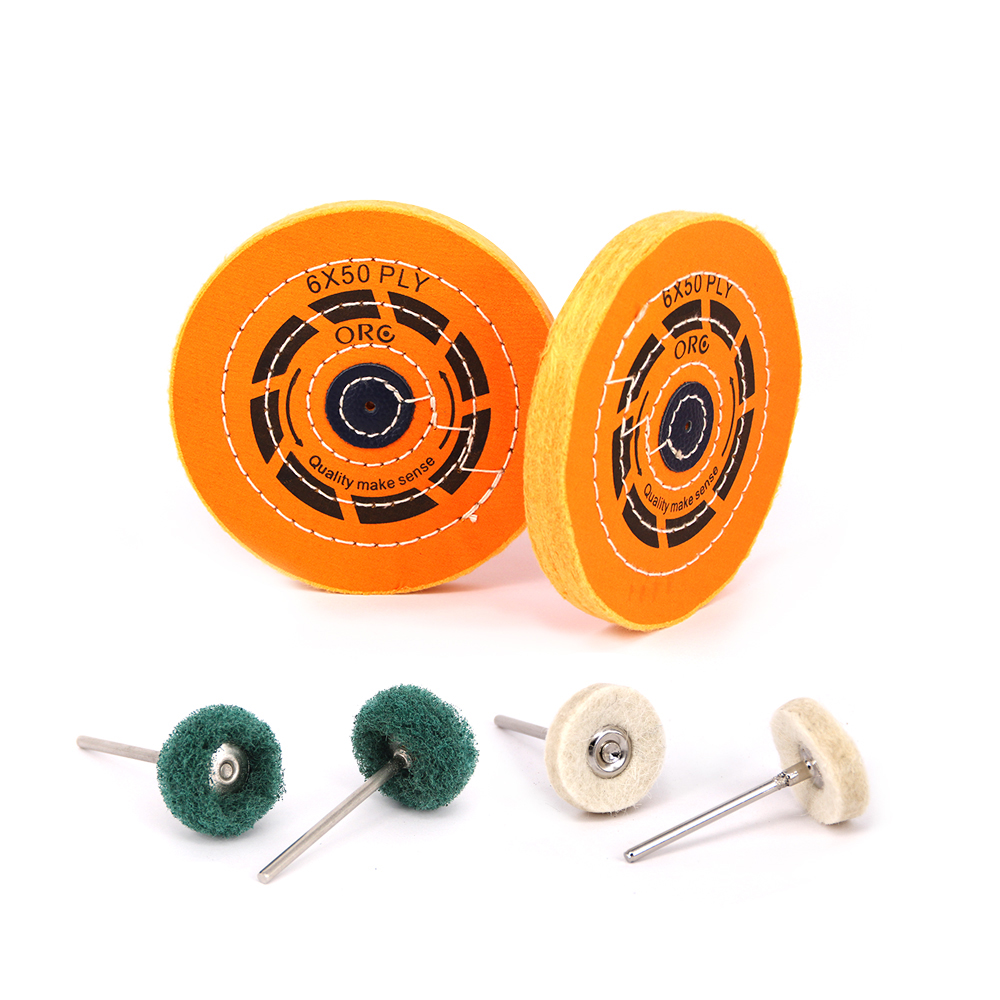
The fabric or fiber used in a buffing wheel largely dictates its durability and ability to endure friction and pressure.- Cotton and Muslin: These are the go-to materials for versatility. Their durability depends on weave density and whether they’re treated. Tightly woven cotton or muslin with a high thread count resists fraying and wear better. Treated wheels, infused with abrasives or binders, stay rigid and maintain their cutting power longer.
- Felt: Known for its firm yet gentle polishing, felt wheels are highly durable thanks to their compressed wool fibers. The density (often rated by hardness) helps them retain shape and abrasive qualities, especially for precision work.
- Flannel: Softer and ideal for final polishing, high-quality flannel wheels can still be durable. Their longevity depends on the nap quality and weave tightness, which prevent excessive shedding.
Construction: Beyond the Material
Even top-tier materials need solid construction to ensure longevity.- Stitching: Tight, concentric stitching is a hallmark of a durable wheel. It holds the fabric layers together, preventing separation or fraying under the stress of polishing. More stitch lines generally mean greater durability.
- Density and Layers (Plies): A wheel’s ply count—the number of fabric layers—and its density affect its strength. Multi-ply wheels hold their shape better, distribute pressure evenly, and wear more slowly than thinner, less dense options.
- Arbor Hole Reinforcement: The wheel’s center, where it mounts to the polishing motor’s spindle, faces significant stress. A reinforced arbor hole—often made of leather, plastic, or shellac—prevents stretching, tearing, or imbalance. A weak arbor hole can ruin an otherwise functional wheel, making reinforcement critical for longevity and safety.
Factors That Affect Durability During Use
Even a high-quality buffing wheel can wear out quickly if mishandled. Your technique and the specifics of your polishing task play a big role in its lifespan.Polishing Compounds
The compounds you use don’t just polish the jewelry—they also impact the wheel.- Aggressive Cutting Compounds: Coarser abrasives designed for heavy material removal can embed in the wheel’s fibers, accelerating wear.
- Waxy vs. Dry Compounds: Waxy compounds can build up and harden on the wheel, forming a glaze that reduces effectiveness. This requires aggressive cleaning (or dressing), which can shorten the wheel’s life.
Pressure and Speed: Polishing with Finesse
Misjudging pressure or speed is a common culprit behind premature wear.- Too Much Pressure: Pressing too hard generates excessive friction and heat, breaking down fibers, glazing the wheel, and shortening its lifespan. Let the wheel and compound do the work instead of forcing the issue.
- Incorrect Speed: Running the wheel too fast for its material or task creates heat, causing shedding and rapid wear. Too slow, and you might apply extra pressure to compensate, which also wears the wheel down.
Jewelry Characteristics
The type of jewelry you’re polishing also matters.- Metal Hardness: Harder metals like platinum or stainless steel stress the wheel more than softer ones like gold or silver, leading to faster wear.
- Design Complexity: Intricate designs with sharp edges or delicate prongs can snag the wheel’s fibers, causing tears and accelerating damage. Smooth surfaces are gentler on the wheel.
Cleaning and Maintenance: The Key to Longevity
Proper care isn’t just about keeping your wheels effective—it’s essential for their durability. A well-maintained wheel stays functional longer and performs better.Tips to Maximize Buffing Wheel Lifespan
Extending the life of your buffing wheels saves time and money while ensuring top-notch results. Here’s how to do it.Proper Storage
- Clean and Dry Environment: Store wheels in a dust-free, dry space away from heat or humidity. Dust can clog fibers, and moisture can degrade materials like cotton or felt.
- Organized Storage: Keep wheels from being crushed or contaminated. Use shelves, hooks, or containers to maintain their shape and condition.
Cleaning and Conditioning
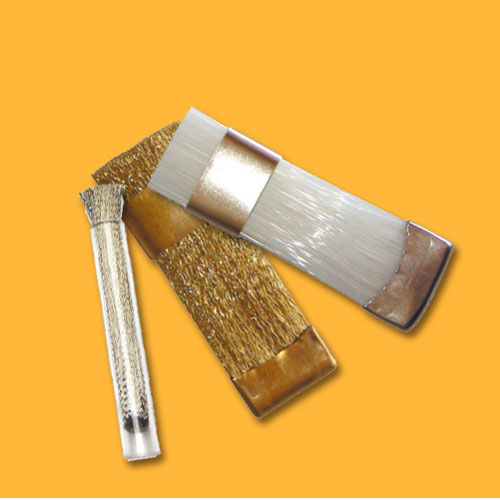
- Regular Dressing/Raking: Use a buffing wheel rake or wire brush to remove hardened compound, metal particles, and frayed fibers. This restores the wheel’s cutting ability and prevents glazing.
- Dedicated Wheels for Each Compound: Assign separate wheels for cutting, pre-polishing, and final polishing compounds. This avoids cross-contamination, ensuring optimal performance and reducing wear from mismatched abrasives.
- Light Compound Application: Apply just enough compound to do the job. Overloading leads to buildup, which hardens and forces more aggressive cleaning, wearing the wheel faster.
When to Replace a Wheel
Even with great care, buffing wheels don’t last forever. Knowing when to replace them ensures quality results and safety.Signs It’s Time for a New Wheel
- Excessive Fraying or Shedding: If fibers are constantly shedding or the edges look tattered, the wheel’s structure is compromised.
- Hardening or Glazing: A shiny, caked-on surface that persists after raking means the wheel can’t hold new compound or polish effectively.
- Loss of Shape or Balance: A distorted, wobbly, or unevenly worn wheel can cause poor polishing, vibrations, or motor damage.
- Poor Performance: If the wheel leaves scratches, swirl marks, or fails to deliver a high shine, it’s no longer effective.