

Industry News
What Tools Are Used in Jewelry Polishing?
Introduction: The Art of Polishing—Unveiling the Secret to a Gem’s Luster
The dazzling shine of jewelry isn’t natural; it’s crafted through meticulous polishing processes. Far more than a simple clean, polishing removes microscopic surface imperfections to create a mirror-like finish that reflects light flawlessly. This guide explores the essential tools for jewelry polishing, from manual to electric, and from beginner-friendly to professional-grade. Whether you’re a hobbyist or a seasoned jeweler, understanding these tools will empower you to achieve stunning results with confidence.Core Categories of Polishing Tools
The world of jewelry polishing can feel overwhelming, but breaking it down into key tool categories makes it easier to select the right equipment for any task.Manual Polishing Tools: Precision for Beginners and Experts
Manual tools are the backbone of jewelry polishing—affordable, precise, and ideal for delicate or intricate work, especially for beginners. |
 |
- Polishing Cloths: The go-to tool for everyday polishing. These dual-layered cloths feature an inner layer infused with a mild abrasive to remove tarnish and light scratches, while the soft outer layer buffs the surface to a brilliant shine. Perfect for at-home maintenance of tarnished jewelry.
- Polishing Cotton/Polishing Sticks: Designed for hard-to-reach areas and intricate details, these tools offer precision where cloths fall short.
- Diamond Paste: Used for final polishing of hard gemstones like sapphires and rubies, diamond paste’s ultra-fine particles deliver exceptional grinding power, enhancing a gem’s natural fire and brilliance.
Electric Grinding and Polishing Tools: Efficiency Meets Versatility
For professionals or dedicated hobbyists, electric tools combine speed and precision, making them indispensable for high-quality results. |
 |
 |
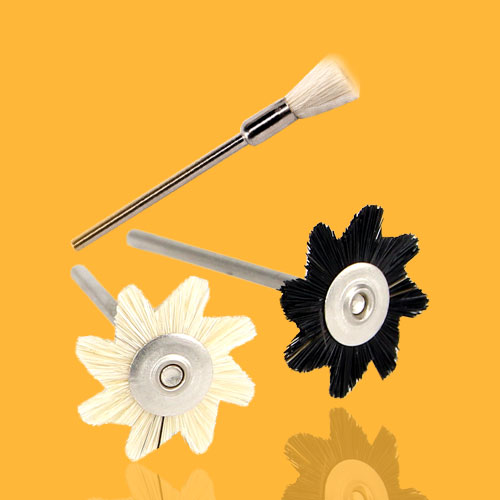
- Flex Shaft Machine/Rotary Tool: A versatile workhorse in the jewelry industry, this tool features a powerful motor and flexible shaft that accommodates various attachments for grinding, drilling, texturing, and polishing. Its adaptability makes it a staple for jewelers.
- Micromotor: A more refined option for detail-oriented tasks, the micromotor offers higher speeds, lower vibration, and quieter operation than a flex shaft. Its stability reduces hand fatigue, making it ideal for long sessions or intricate finishes. Like the flex shaft, it supports interchangeable attachments.

- Bench Polishing Lathe: A stationary, high-speed machine built for efficiency, this lathe excels at coarse and fine polishing of medium to large jewelry pieces. It’s a must-have for high-volume production studios.
Batch Processing Tools: Streamlining Large-Scale Polishing
For polishing multiple small items at once, batch processing tools save time and effort while delivering consistent results.
- Tumble Polisher: This machine uses polishing media and a specialized solution to tumble jewelry, achieving a uniform, high-gloss finish. Common media include:
- Stainless Steel Media: For bright, mirror-like finishes.
- Ceramic Media: Ideal for deburring and grinding.
- Walnut Shells: Used for drying or creating a satin finish.
- Vibratory Polisher: Unlike tumblers, vibratory polishers use high-frequency vibrations for gentler, more uniform polishing, reducing the risk of damage to delicate pieces.
Advanced Precision Tools: Elevating the Finish
While not polishing tools themselves, these devices are critical for preparing or finalizing jewelry for a professional-grade shine. |
 |
- Ultrasonic Cleaner: Before polishing, this device uses high-frequency sound waves to remove dirt, grime, and residue from every crevice, ensuring a clean surface for polishing.
- Steam Cleaner: Post-polishing, a steam cleaner uses high-pressure steam to blast away residual polishing compounds, leaving jewelry spotless and sparkling.
Polishing Consumables and Accessories: Choosing the Right Supplies
Even the best tools are ineffective without the right consumables. Selecting appropriate abrasives and polishing media is crucial for success.Abrasive Consumables
 |
 |
- Sandpaper: Essential for removing scratches and deep imperfections. Start with coarse grit (e.g., 200) and progress to ultra-fine grit (5000+) for a smooth surface.
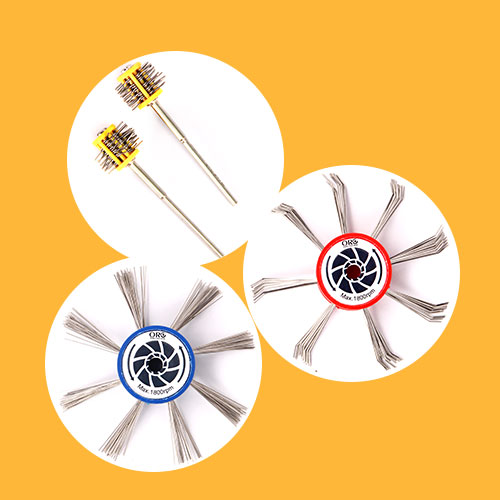
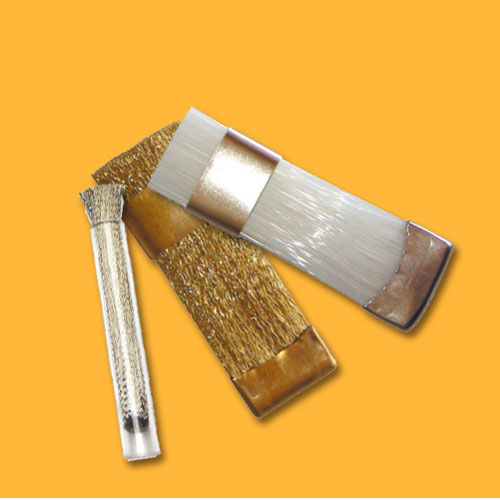
- Grinding Wheels: Available in materials like rubber, felt, or fiber, these are chosen based on the material’s hardness.
Polishing Consumables
 |
 |
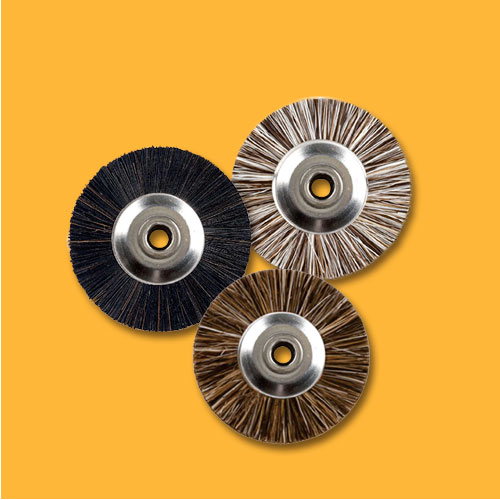
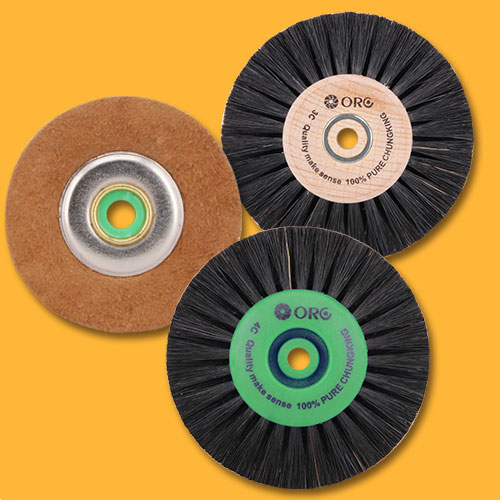
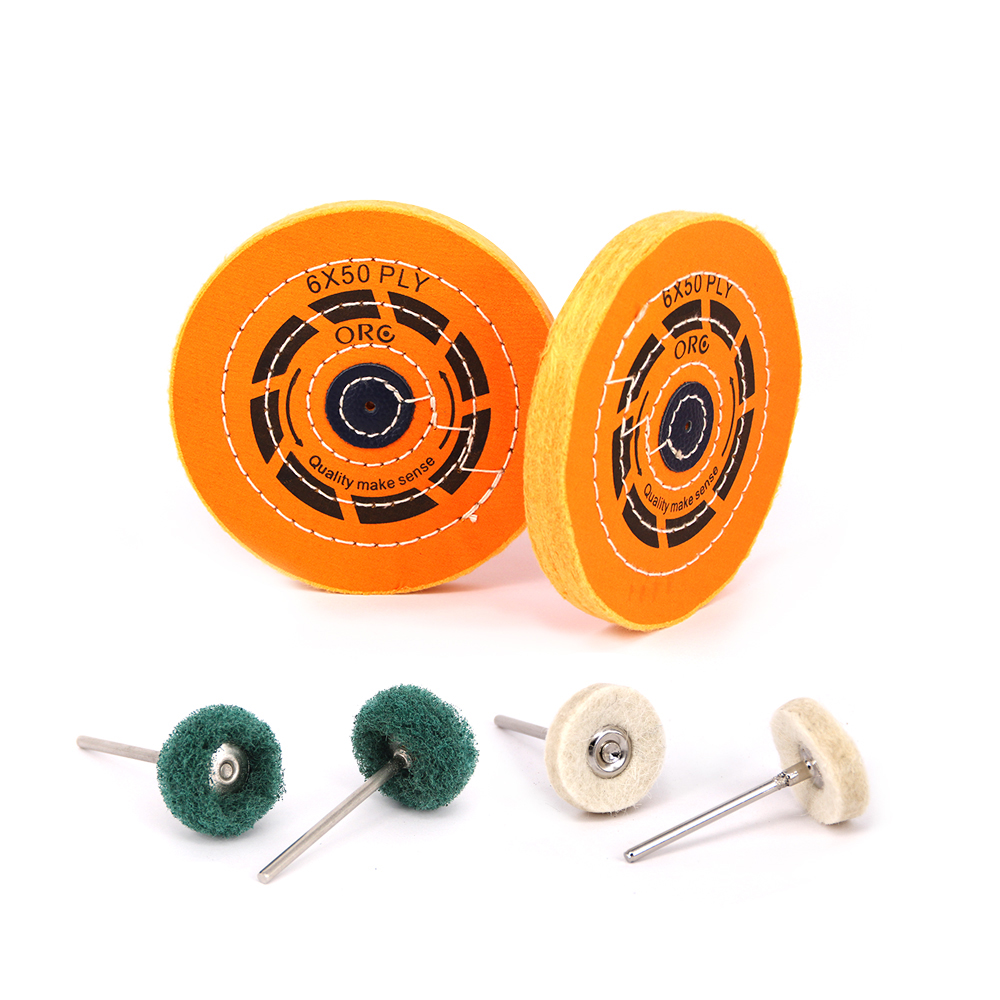
- Polishing Wheels: Made from cotton, felt, or leather, each wheel serves a specific polishing stage or material.
- Polishing Compounds: Color-coded for specific uses:
- Red Wax: Ideal for precious metals like gold and platinum.
- White Wax: Best for stainless steel and silver.
- Blue Wax: Suitable for hard metals.
- Green Wax: Commonly used for chrome and platinum.
When to Use Which Tools
Choosing the right tool depends on the task at hand. Here’s a quick guide:- Quick Maintenance at Home: Polishing cloths and cotton pads are perfect for daily upkeep or restoring lightly tarnished pieces.
- Amateur or Intricate Work: Flex shaft machines or micromotors are versatile enough to handle detailed designs and stubborn scratches, ideal for skill-building.
- Professional or High-Volume Work: Bench polishing lathes and tumble polishers streamline large-scale production, delivering consistent results for studios and manufacturers.
Practical Tips and Conclusion
Practical Tips
- Step-by-Step Process: Always grind before polishing. Polishing over scratches will only highlight imperfections, not remove them.
- Safety First: Wear safety glasses to protect against debris and a dust mask when working with metal or polishing compounds.
- Detailed Finishing: For gemstone-encrusted jewelry, use a soft brush or cotton swab with a gentle cleaner to remove residue around stones without scratching them.