

Industry News
Jewelry Polishing Wheels: A Guide to Different Material Types
The secret to flawless jewelry lies in choosing the right tools. Whether you’re a professional jeweler or a dedicated hobbyist, a jewelry polishing wheel is essential for achieving a mirror-like finish. However, not all wheels are created equal. Using the wrong one can scratch a delicate piece, while the right one can elevate a lackluster item into a stunning masterpiece.
This guide simplifies the world of jewelry polishing wheels, breaking down the different material types, their best uses, and practical tips to help you select the perfect wheel for every project.
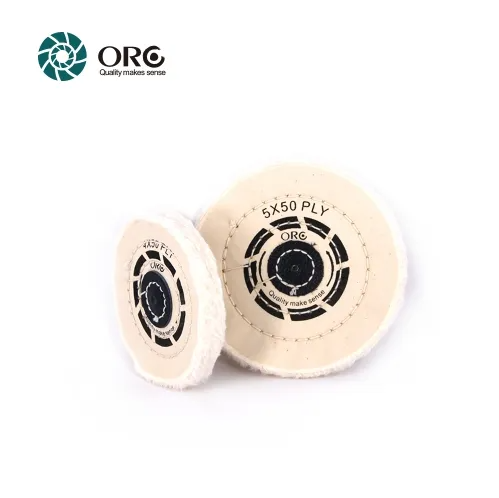
Material Characteristics: Crafted from layered cotton or muslin cloth, these wheels are soft and flexible, available in various sizes and stiffness levels. Their adaptability allows them to contour to the curves of jewelry pieces.
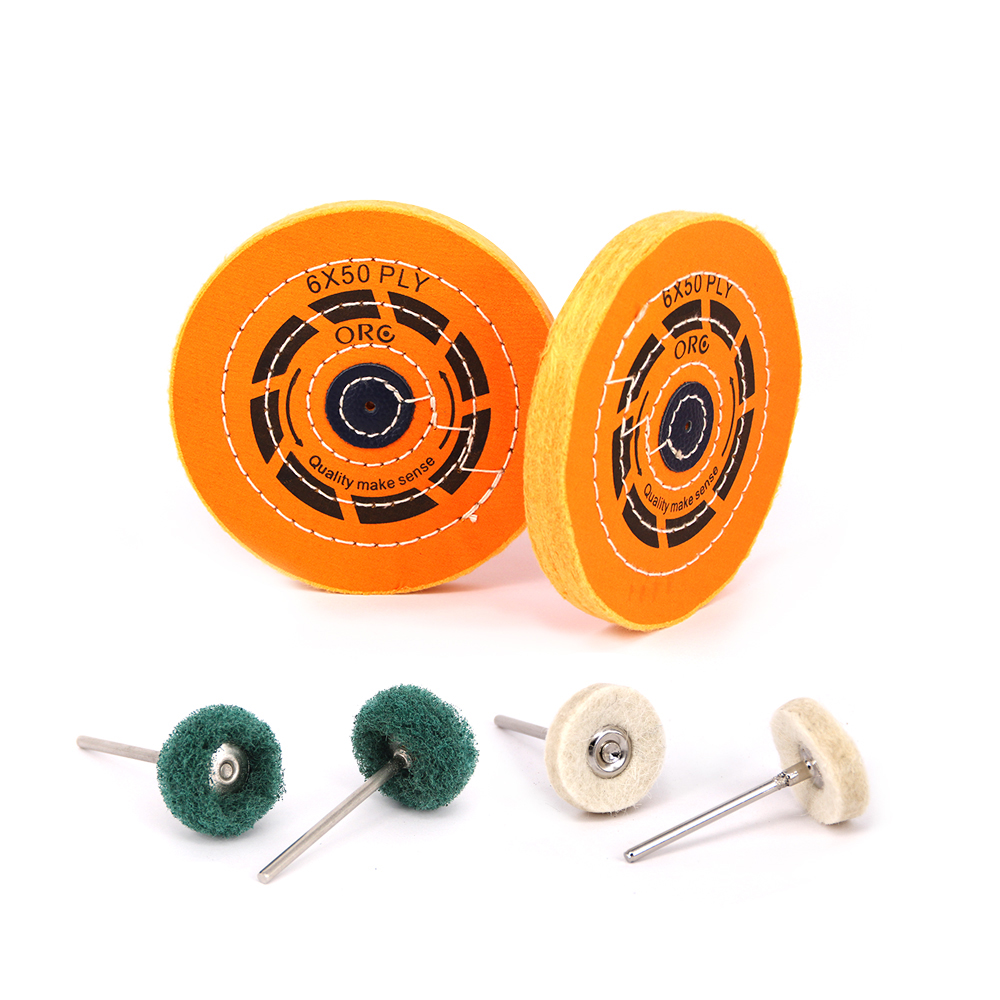
Material Characteristics: Made from compressed wool or synthetic fibers, felt wheels are firm and durable, offering significant polishing force due to their rigidity.
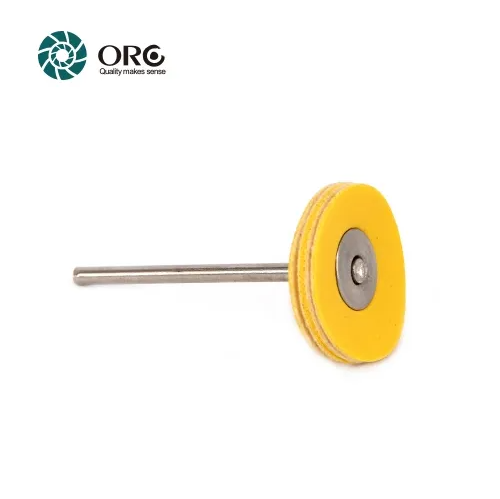
Material Characteristics: Typically crafted from high-quality deerskin or lambskin, these wheels combine softness with durability. Their unique texture ensures gentle polishing with minimal heat buildup.
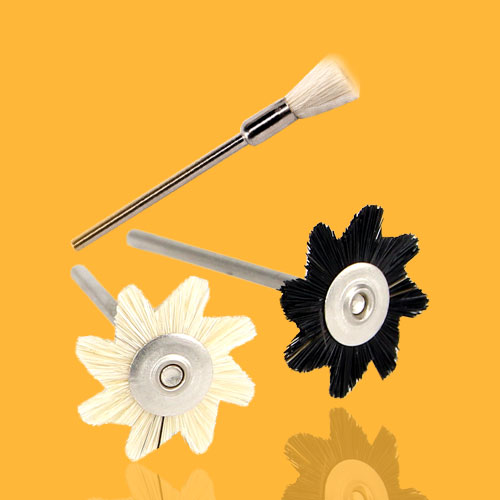
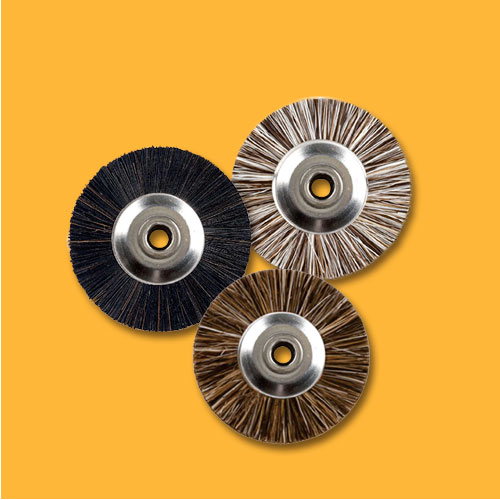
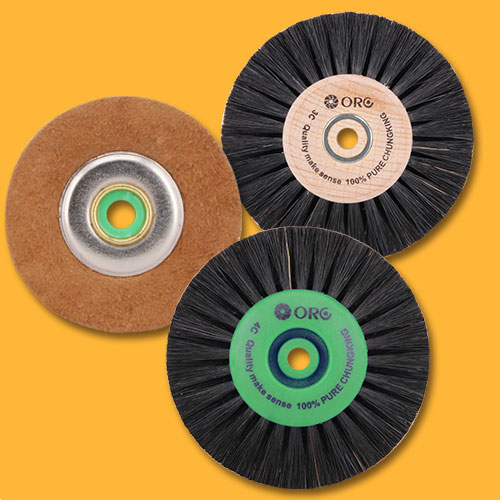
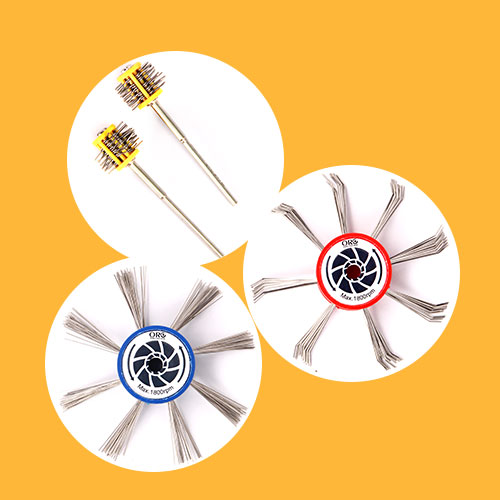
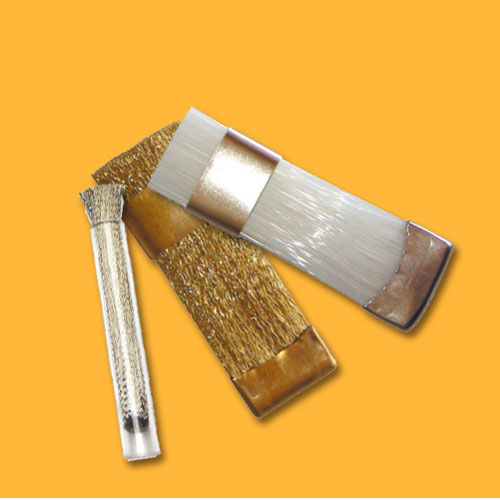
Material Characteristics: These are brushes with stiff natural or synthetic bristles, available in various shapes like wheels or cups for targeted polishing.
With a clear understanding of these materials, you can confidently choose the right polishing wheel for any task. Whether you’re a seasoned jeweler or just starting out, equipping your toolkit with the right wheels ensures every piece you craft or restore gleams with professional brilliance.
Ready to find the perfect jewelry polishing wheel? Visit the Orobrush official website to explore our high-quality tools and accessories.
This guide simplifies the world of jewelry polishing wheels, breaking down the different material types, their best uses, and practical tips to help you select the perfect wheel for every project.
I. Overview of Common Jewelry Polishing Wheel Materials
Navigating the variety of polishing wheels can feel daunting, but most fall into four main categories. Understanding these types is the first step toward professional-grade results.- Cotton/Muslin Buffing Wheels: Soft, layered, and versatile, these are the go-to choice for many jewelers.
- Felt Wheels: Dense and rigid, ideal for more intensive polishing tasks.
- Leather Wheels: Durable yet gentle, perfect for final polishing stages.
- Bristle Brushes: Specialized for cleaning and detailing intricate designs, not for broad-surface polishing.
II. In-Depth Analysis of Different Polishing Wheel Materials
Each material serves a distinct purpose in the jewelry polishing process. Here’s a closer look at their unique strengths and ideal applications.1. Cotton/Muslin Wheels: The Top Choice for Mirror Polishing

Material Characteristics: Crafted from layered cotton or muslin cloth, these wheels are soft and flexible, available in various sizes and stiffness levels. Their adaptability allows them to contour to the curves of jewelry pieces.
- Pros: Affordable and gentle, they excel at producing a high-gloss, mirror-like finish without risking scratches on delicate surfaces.
- Cons: They wear out faster than other materials and aren’t suited for removing deep scratches or imperfections. They shine in the final buffing stage.
- Best for: Softer metals like gold, silver, and copper.
2. Felt Wheels: Powerhouses for Scratch Removal
 |
 |
Material Characteristics: Made from compressed wool or synthetic fibers, felt wheels are firm and durable, offering significant polishing force due to their rigidity.
- Pros: Long-lasting and effective at eliminating minor scratches, blemishes, and tool marks, they deliver a consistent, even polish.
- Cons: Their hardness can cause scratches if used improperly, especially on softer metals. They’re not ideal for final polishing.
- Best for: Harder metals like platinum, stainless steel, or titanium, and for prepping surfaces before final buffing. They’re also great for polishing around gemstone settings.
3. Leather Wheels: Precision for Final Touches

Material Characteristics: Typically crafted from high-quality deerskin or lambskin, these wheels combine softness with durability. Their unique texture ensures gentle polishing with minimal heat buildup.
- Pros: Ideal for ultra-fine final polishing, they produce a subtle, radiant sheen and are safe for heat-sensitive materials.
- Cons: Ideal for ultra-fine final polishing, they produce a subtle, radiant sheen and are safe for heat-sensitive materials.
- Best for: All metals, particularly for the final polish on high-end pieces and delicate gemstones.
4. Bristle Brushes: Masters of Intricate Details
 |
 |
 |
 |
Material Characteristics: These are brushes with stiff natural or synthetic bristles, available in various shapes like wheels or cups for targeted polishing.
- Pros: Their bristles reach into tight crevices, grooves, and intricate details that solid wheels can’t access, making them essential for detailed work like filigree or engravings.
- Cons: Not designed for large-area mirror finishes, they’re typically paired with polishing paste for cleaning rather than high-gloss results.
- Best for: Inlaid jewelry, engravings, and complex designs.
III. Pairing Polishing Wheels with Polishing Pastes
A polishing wheel is only half the equation—polishing paste provides the abrasive action. Matching the right wheel with the right paste is key to achieving your desired finish. Here’s how to pair them effectively:- Rough Polishing: To tackle deep scratches, use a hard felt wheel with coarse-grit pastes like Tripoli or Emery for quick surface leveling.
- Medium Polishing: Smooth the surface for final finishing with a cotton wheel and medium-grit pastes like White Diamond or Green Rogue to erase fine lines.
- Fine Polishing: Achieve a brilliant shine with a soft cotton wheel or leather wheel paired with fine-grit pastes like Rouge or Gold/Silver Polishing Compounds.
IV. Beginner’s Guide: Using Polishing Wheels Safely
Safety comes first when polishing jewelry. Follow these tips to work efficiently and protect yourself and your pieces.- Tool Preparation: Ensure your polishing machine is stable and securely mounted. Always wear safety glasses to shield your eyes from debris.
- Applying Polishing Paste: Lightly touch the spinning wheel to the paste to coat it evenly. Avoid overapplying to prevent mess and waste.
- Polishing Technique: Apply gentle, even pressure and keep the jewelry moving across the wheel to avoid heat buildup or uneven results. Holding a piece in one spot too long can cause flat spots or damage.
- Key Tip: Position the jewelry below the wheel’s centerline. If it catches, the wheel will push it downward, away from you, reducing injury risk.
V. Conclusion: Selecting the Right Polishing Wheel
Mastering the art of choosing the right polishing wheel is essential for any jeweler. This summary table will help you pick the perfect tool for your needs:| Material | Hardness | Best for | Key Advantage |
| Cotton/Muslin | Soft | Gold, Silver, Copper | Delivers a mirror-like finish |
| Felt | Hard | Platinum, Stainless Steel | Excels at removing scratches |
| Leather | Medium | All Metals, Gemstones | Perfect for ultra-fine polishing |
| Bristle Brush | Varying | Intricate Details | Perfect for ultra-fine polishing |
With a clear understanding of these materials, you can confidently choose the right polishing wheel for any task. Whether you’re a seasoned jeweler or just starting out, equipping your toolkit with the right wheels ensures every piece you craft or restore gleams with professional brilliance.
Ready to find the perfect jewelry polishing wheel? Visit the Orobrush official website to explore our high-quality tools and accessories.