

Industry News
Can Scratches Be Buffed Out of Jewelry?
Finding a scratch on a beloved piece of jewelry can sting. That once-pristine shine suddenly looks tarnished, and you might fear its beauty is lost forever. The good news? Many scratches can be buffed out, restoring much of your jewelry’s original sparkle. This guide dives into the nature of scratches, the buffing process, and when to tackle it yourself versus calling in a professional. With the right approach, your treasured pieces can shine like new.

Understanding Jewelry Scratches
To tackle scratches effectively, it’s worth understanding what they are and why they happen.What Are Jewelry Scratches?
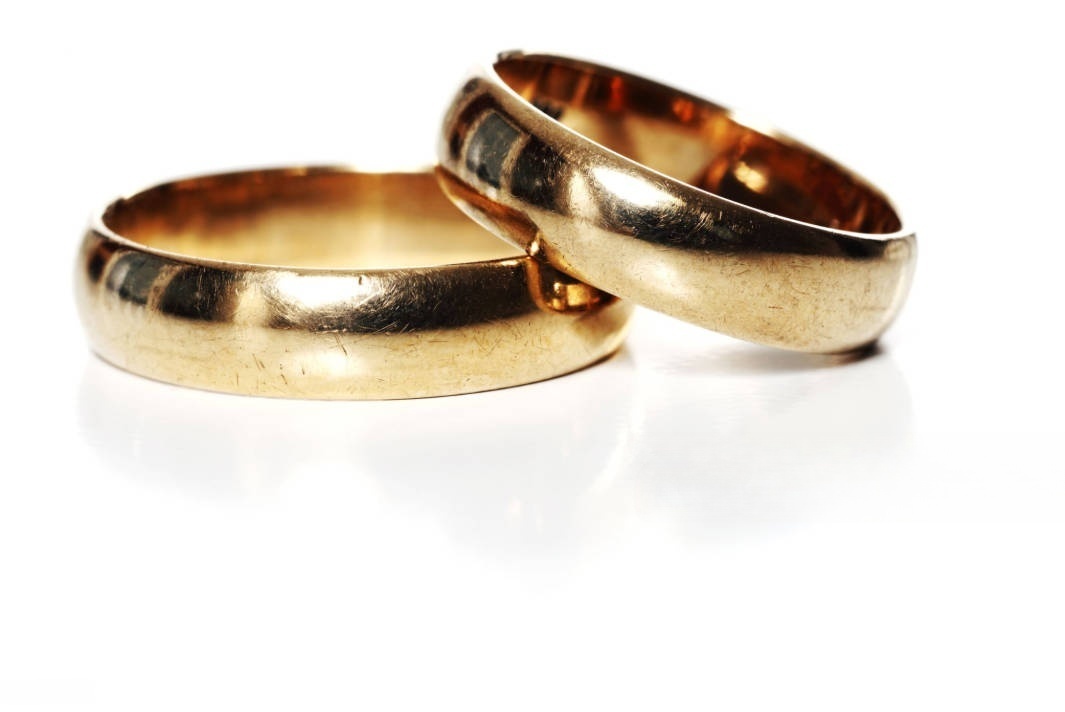
Scratches aren’t just smudges or dirt—they’re physical marks on your jewelry’s metal or gemstone surface.- Surface Imperfections: These faint, shallow lines dull the metal’s light reflection but don’t affect its structure. They’re the most common scratches you’ll encounter.
- Deep Gouges: More serious, these are visible indentations you can feel with a fingernail. They remove more material and may slightly alter the jewelry’s shape or design.
Factors Affecting Scratch Severity
How noticeable or permanent a scratch is depends on a few key factors:- Metal Hardness: Softer metals like pure 24k gold scratch more easily than harder alloys like 14k or 10k gold, platinum, stainless steel, or titanium. Platinum, though durable, often develops a subtle “patina” of fine scratches over time.
- Finish Type: Polished, mirror-like surfaces reveal scratches more than matte, brushed, or satin finishes, as their smooth reflection highlights imperfections.
- Surface Area: Flat, broad surfaces tend to show scratches more than intricate, textured designs.
Why Scratches Happen
Scratches are a fact of life for jewelry, but knowing their causes can help you prevent them:- Daily Wear: Routine tasks like washing dishes, brushing against surfaces, or even wearing rough fabrics can cause tiny abrasions over time.
- Abrasive Contact: Grit, dirt, harsh chemicals, or even other jewelry can leave noticeable marks.
- Improper Storage: Tossing rings or necklaces into a drawer where they rub against each other is a recipe for scratches.
The Buffing Process Explained
Buffing is a powerful way to erase scratches and restore shine. Done right, it can make your jewelry look brand-new.What is Buffing?
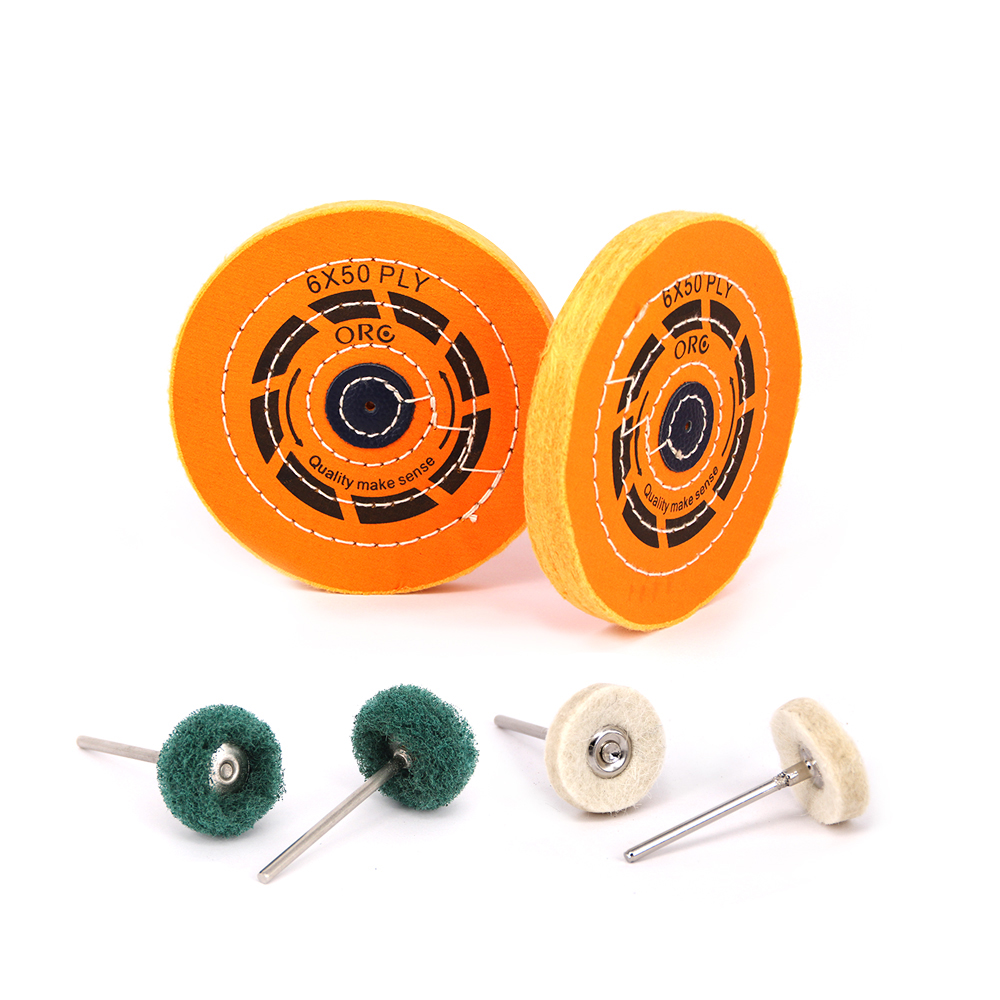
Buffing, or polishing, involves using abrasive compounds and specialized tools like polishing wheels or cloths to smooth a jewelry’s surface. Think of it as finely controlled sanding that refines the metal’s appearance.How it Works
Buffing removes a thin layer of material to smooth out scratches. Abrasive particles in the polishing compound “cut” away uneven surfaces, leveling the peaks and valleys of a scratch. By using progressively finer compounds, the surface becomes smoother, reflecting light evenly for that coveted shine.Types of Buffing
The buffing approach depends on the scratch’s depth and the desired finish:- Light Polishing: Using fine abrasives and soft cloths or wheels, this method tackles minor scratches and dullness. It’s often manageable at home.
- Intensive Buffing: Deeper scratches require coarser compounds to remove the damage, followed by finer ones for a polished finish. This demands professional tools and skill to avoid uneven results or design distortion.
When Buffing Works (and When It Doesn’t)
Buffing can work wonders, but it’s not a cure-all. Here’s when it’s a great option and when to proceed with caution.Ideal Candidates for Buffing
- Gold, Silver, and Platinum: These metals buff beautifully. Softer gold and silver regain their shine easily, while platinum’s durability makes it a prime candidate.
- Minor Scuffs and Dullness: Everyday wear often leaves light marks or a lackluster finish that buffing can quickly fix.
- Matte or High-Polish Finishes: Both can be restored—matte finishes can be reapplied after buffing, while polished surfaces can return to their mirror-like glory.
When to Avoid Buffing
Some situations call for caution or alternative repairs:- Deep Gouges: If a scratch significantly alters the jewelry’s shape or structure, buffing alone won’t suffice. Laser welding or filling may be needed, as aggressive buffing could weaken the piece.
- Plated Jewelry: Gold- or rhodium-plated pieces have thin coatings (often just microns thick). Buffing can strip this layer, exposing the base metal and ruining the finish. Re-plating would then be required.
- Delicate Stones or Settings: Soft gems like opals, pearls, emeralds, or turquoise can be harmed by buffing’s heat or abrasives. Intricate filigree or engravings may also lose detail if over-buffed.
- Antique Jewelry: The aged patina of vintage pieces, including minor scratches, often adds to their value. Buffing can erase this character, so consult an antique jewelry expert first.
DIY vs. Professional Buffing
Deciding whether to buff at home or hire a jeweler is critical for the best outcome.DIY Buffing
For minor scratches or dullness, DIY methods can work:- Polishing Cloths: These cloths, infused with fine abrasives, are perfect for restoring shine to lightly scratched gold, silver, or platinum. They’re safe and easy for routine maintenance.
- Gentle Compounds: Specialized jewelry cleaning kits with fine polishing pastes can address light scuffs. Avoid household items like toothpaste, which can be too abrasive and cause more harm.
Why Choose a Professional?
For anything beyond surface-level scratches, a jeweler’s expertise is invaluable:- Skill: Jewelers understand metals, finishes, and gemstones, ensuring the right approach for each piece.
- Tools: They use professional-grade polishing lathes, varied buffing wheels, and precise compounds for a flawless finish.
- Preserving Integrity: Professionals buff without thinning metal excessively or harming delicate settings. They can also reapply finishes like rhodium plating or brushed textures.
- Full Care: Jewelers can inspect for loose stones or worn prongs, addressing issues that buffing alone won’t fix.
Preventing Scratches
The best defense against scratches is prevention. Here’s how to keep your jewelry pristine:- Store Carefully: Keep each piece in a soft pouch, lined box, or divided tray to avoid contact with other jewelry.
- Avoid Chemicals: Remove jewelry before using cleaners, bleach, or swimming in chlorinated water, which can dull finishes or damage stones.
- Take It Off: Remove rings during tasks like gardening, exercising, or washing dishes to minimize impact and abrasion.
- Apply Products First: Put on jewelry after using lotions, perfumes, or hairspray to prevent residue buildup that dulls shine.
Routine Maintenance
Regular care keeps your jewelry looking its best:- Clean Gently: Use mild soap, warm water, and a soft brush to remove dirt and oils that highlight scratches.
- Get Check-Ups: Visit a jeweler annually for professional cleaning and inspections to catch issues early.