

Industry News
Do Jewelry Polishing Buffs Last Through Multiple Sessions?
Achieving a brilliant, mirror-like shine on jewelry depends not only on the right polish but also on the quality and condition of your polishing buffs. For professional jewelers and enthusiastic hobbyists alike, a common question arises: can these essential tools endure multiple polishing sessions, or are they single-use items? The good news? With proper care and understanding, high-quality polishing buffs can last through numerous sessions, consistently delivering stunning results.

Are you facing specific challenges with your polishing buffs, or do you need recommendations for the best type for your projects?

What Impacts Buff Lifespan?
The durability of polishing buffs depends on several factors, from their material to how you use and maintain them. Understanding these elements is key to getting the most out of your buffs.Material Matters: The Foundation of Durability
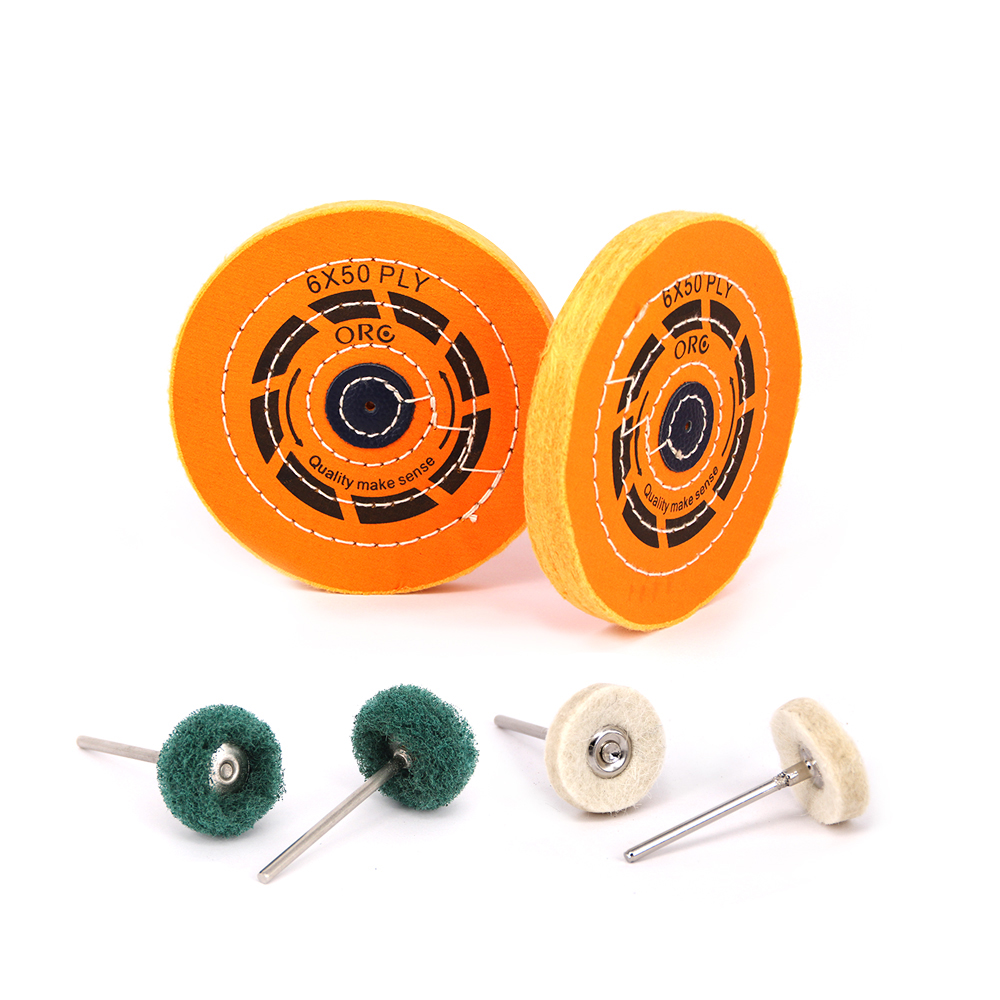
The material of your buff significantly affects its durability and performance:- Cotton Buffs: These versatile buffs, available in soft or firm varieties, are a jeweler’s staple. Soft cotton, like muslin, excels at final polishing, while firmer options provide more cutting power. High-quality cotton buffs resist fraying and compacting, offering a longer lifespan.
- Felt Buffs: Dense and excellent at holding compounds, felt buffs are ideal for precision work on harder metals. They’re highly durable but can scorch if subjected to excessive heat or pressure.
- Muslin Buffs: Made from loosely woven cotton, muslin buffs are perfect for delicate pieces and high-shine finishes. However, they wear faster if used improperly.
- Wool Buffs: These balance softness and cutting power, making them great for intricate details. Like felt, they require careful heat management to maintain longevity.
The Role of Abrasive Compounds
The polishing compound you choose directly impacts both the finish and the buff’s wear:- Aggressive Compounds (e.g., Tripoli, Emery): Designed for cutting and scratch removal, these coarser abrasives create more friction, accelerating buff wear.
- Finishing Compounds (e.g., Rouge, Fabulustre): Finer and gentler, these compounds produce a high luster while causing less wear on the buff.
- Compound Loading: Overloading a buff with compound can make it stiff and glazed, reducing its effectiveness. Under-loading forces the buff to work harder, increasing wear.
Pressure and Speed: The Technique Factor
Your polishing technique plays a big role in buff longevity:- Excessive Pressure: Pressing too hard generates heat, which can burn fibers, cause glazing, and shorten the buff’s life. It also strains your polishing motor.
- Inconsistent Speed: Polishing requires steady, task-appropriate speeds. Erratic or excessively high speeds can wear buffs out faster.
Type of Jewelry Being Polished
The jewelry’s material and design also affect buff wear:- Harder Metals (e.g., Platinum, Stainless Steel): These demand more effort and aggressive compounds, which can be tougher on buffs.
- Softer Metals (e.g., Sterling Silver, Gold): These are gentler on buffs, though intricate designs with sharp edges can cause localized wear if not handled carefully.
- Intricate Designs: Sharp angles or delicate filigree can snag and fray buff fibers without precise technique.
Cleaning and Maintenance: The Key to Longevity
Proper cleaning and maintenance are critical for extending buff life. A neglected buff quickly becomes ineffective, no matter its initial quality.Recognizing When a Buff Needs Replacing
Even with excellent care, polishing buffs are consumables and will eventually wear out. Knowing when to replace them ensures consistent results and prevents damage to your jewelry.Visible Signs of Wear and Tear
- Fraying and Shredding: Loose fibers or unraveling fabric signal it’s time for a new buff.
- Hardening or Glazing: A stiff or shiny buff that no longer holds compound is “glazed” and ineffective, often due to heat or compound buildup.
- Compacting and Loss of Loft: Compressed fibers reduce a buff’s ability to hold compound or cushion the piece.
- Discoloration and Contamination: While some discoloration from compounds is normal, significant color changes or embedded particles can scratch your work.
Impact on Polishing Results
A worn-out buff doesn’t just look bad—it compromises your work:- Reduced Effectiveness: You’ll spend more time and effort to achieve lackluster results.
- Scratches or Swirl Marks: A glazed or contaminated buff can introduce scratches or dull the surface.
- Increased Heat: An inefficient buff generates excessive friction, risking damage to your jewelry.
Maximizing Your Buff's Lifespan
With good habits and attention to detail, you can extend the life of your polishing buffs and get the most value from your investment.Proper Cleaning Techniques
Regular cleaning keeps buffs in top shape:
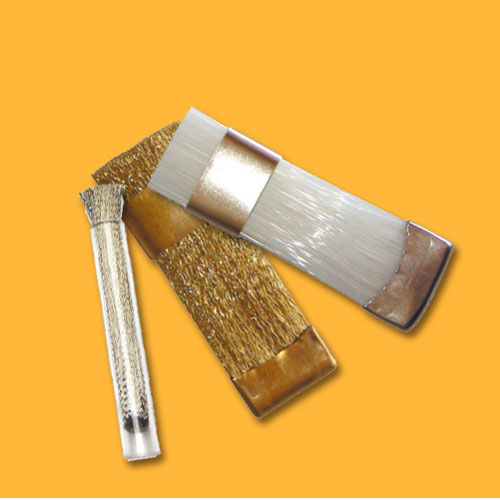
- Buff Rake/Dressing Tool: After each session, or when glazing occurs, gently use a rake against the spinning buff to remove embedded compound and loose fibers. This restores the buff’s texture and exposes fresh fibers.
- Compressed Air: A quick blast removes loose dust and particles.
- Washing Certain Types: Some cotton buffs can be washed in warm, soapy water and air-dried, but only if they’re not saturated with hardened compounds. Always check the manufacturer’s guidelines, and avoid washing felt or tightly packed buffs.
Smart Storage Tips
Proper storage preserves buff quality between uses:- Separate by Compound: Assign specific buffs to specific compounds (e.g., one for Tripoli, one for rouge). Mixing compounds on a single buff causes cross-contamination and scratches. Label buffs clearly.
- Clean Before Storing: Always rake or brush buffs before storing them.
- Protect from Dust: Store buffs in sealed bags, containers, or dedicated drawers to keep out dust and debris.
Using the Right Buff for the Job
Choosing the right buff optimizes performance and reduces wear:- Start Coarse, Finish Fine: Use stiffer buffs (like sisal or firm cotton) with cutting compounds for initial work, then switch to softer buffs (like muslin or felt) for final polishing. Avoid using fine buffs for heavy cutting.
- Size Matters: Match the buff size to the jewelry piece. A small buff on a large piece wears out quickly.
Avoiding Cross-Contamination
Using a buff with a cutting compound and then a finishing compound transfers coarse particles, causing scratches. Dedicate buffs to specific compounds for better results and longer life.Conclusion
Jewelry polishing buffs aren’t single-use tools. With the right knowledge and care, they can deliver brilliant finishes across many sessions. By choosing the right materials, pairing them with appropriate compounds, using proper techniques, and maintaining them diligently, you can maximize their lifespan and keep your jewelry shining brightly. Invest in quality buffs, treat them well, and they’ll reward you with lasting performance.Are you facing specific challenges with your polishing buffs, or do you need recommendations for the best type for your projects?