

Industry News
How to Polish Metal with a Dremel Polishing Wheel
A Dremel is a powerful tool, but a mirror finish requires more than just spinning a felt pad. Most beginners fail by using the wrong wheel, excessive speed, or a messy process. This guide covers the essential techniques to help you achieve professional, predictable results safely.
Not all metals react the same way. Adapt your strategy to the material.
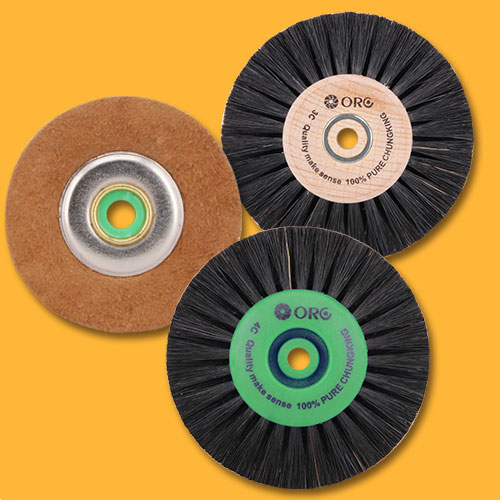
To get the best results, you need accessories that don't quit. Many generic wheels shed or burn too easily, leaving your project messy. If you want a true, deep mirror finish, consider upgrading to Orobrush. Our high-density polishing wheels are engineered to hold compound longer and run smoother.
Ready to see the difference? Visit the Orobrush today and give your metal projects the professional shine they deserve.
I.What You Need Before Polishing Metal with a Dremel
Preparation is 50% of the result. Quality accessories determine your final finish. Below is the essential checklist for a professional setup.| Item | Specification / Type | Why It Matters |
| Rotary Tool | Dremel or any variable-speed tool | Speed control is vital; fixed-speed tools often run too hot. |
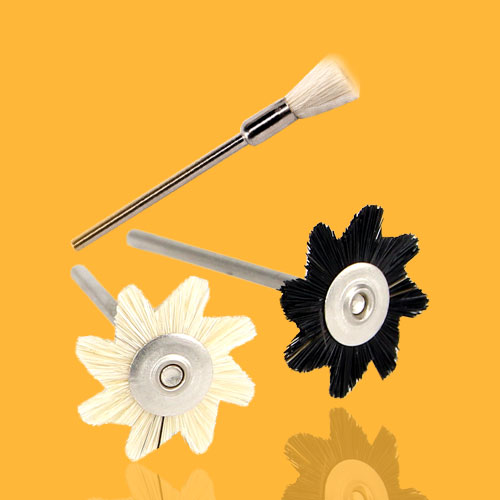
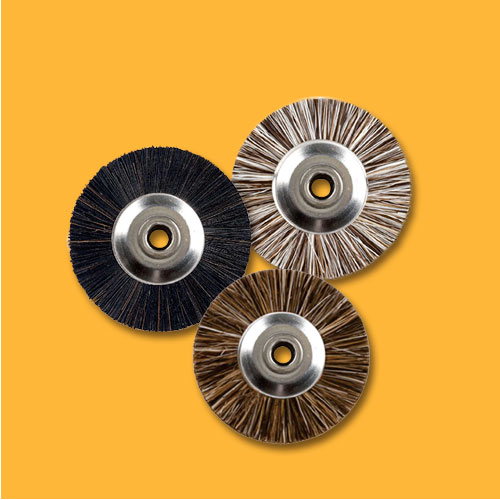
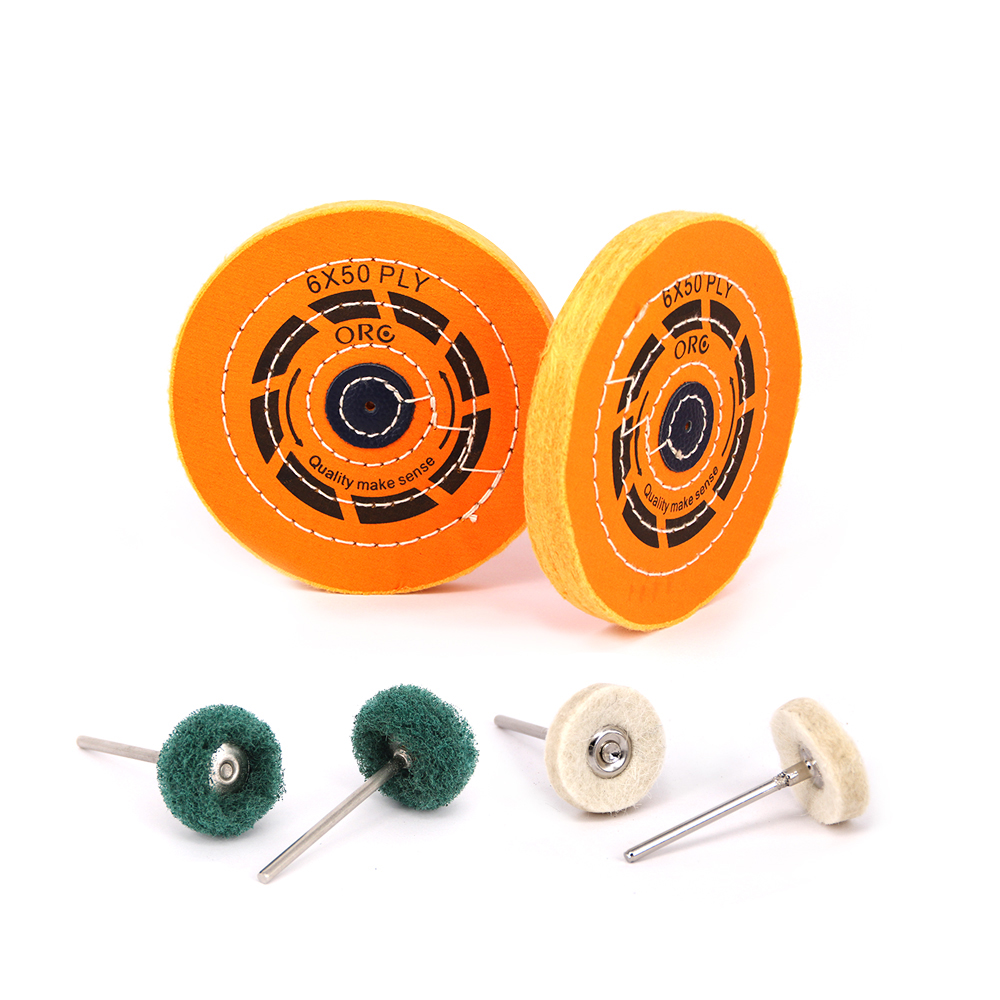
| Polishing Wheels | Hard Felt: For scratch removal Cotton Buffing: For mirror shine Conical Shape: For tight corners |
Orobrush wheels use high-density wool. They don't shed fibers or lose shape at high RPMs. |
| Polishing Compound | Coarse (Red/Black): Heavy rust Medium (White/Green): General polish Fine (Pink/Blue): Mirror finishing |
Think of this as "liquid sandpaper." You must move from coarse to fine. |
| Mandrel | Standard #401 Screw Mandrel | The "bridge" between tool and wheel. Must be straight to avoid vibration. |
| Cleaning Agent | 70% Isopropyl Alcohol | Removes oily residue so you can inspect your true progress. |
| Safety Gear | Wrap-around glasses & mask | Wheels spin fast; they will spray wax and metal dust. |
II.The 7-Step Process: Polish Metal with Your Dremel Polishing Wheel
Precision beats speed. Follow these steps to transform dull metal into a reflective surface.
1. Wheel Installation & Selection
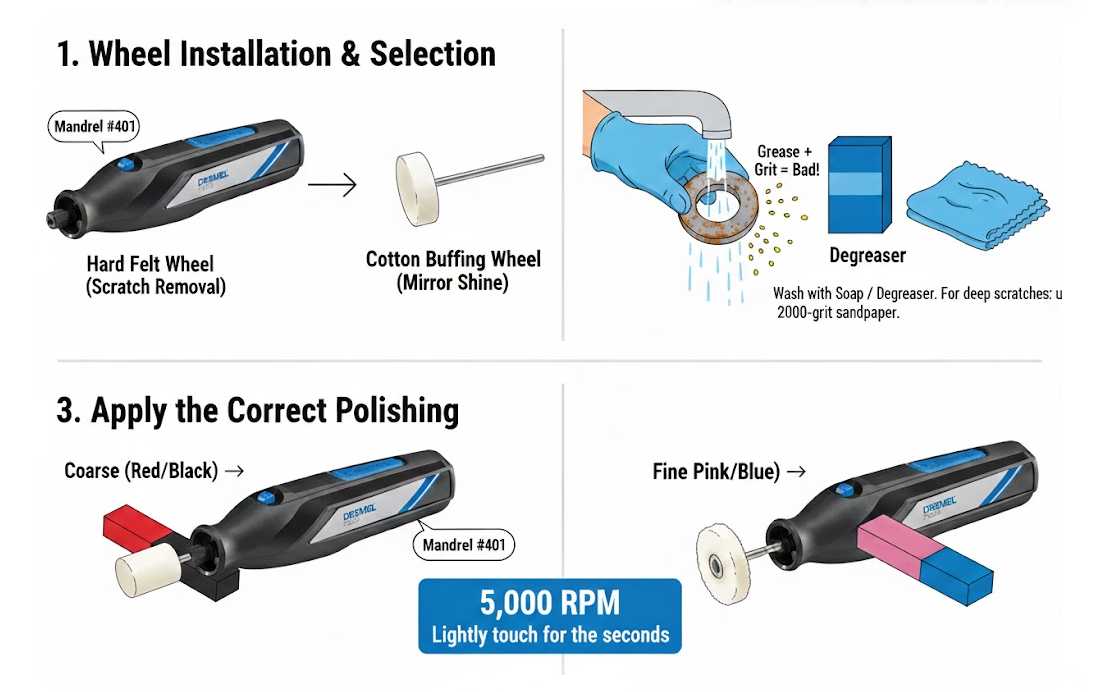
Start by selecting the right wheel for your project.- For Scratch Removal: Use a Hard Felt Wheel. Its dense structure provides the "bite" needed to level the surface.
- For High-Gloss Finishing: Switch to a Cotton Buffing Wheel. Mount your chosen wheel onto the #401 mandrel. Screw it in until firm, but do not strip the felt. A centered wheel prevents "chatter" marks.
2. Clean the Metal Surface
Never polish a dirty surface. Grease and grit contaminate your wheel instantly. Use warm soapy water or a degreaser first. Note: If the metal has deep gouges, sand it with 2000-grit sandpaper before this step; polishing wheels are for shine, not for removing deep holes.3. Apply the Correct Polishing Compound
The compound is your "liquid sandpaper." Match the color to your goal:- Initial Cut: Use Coarse (Red/Black) compound on a Hard Felt Wheel to strip oxidation.
- Final Shine: Use Fine (Pink/Blue) compound on a Cotton Wheel for that "wet" look. How to apply: Turn your Dremel to 5,000 RPM. Lightly touch the spinning wheel to the compound for two seconds. Only the tip should change color.

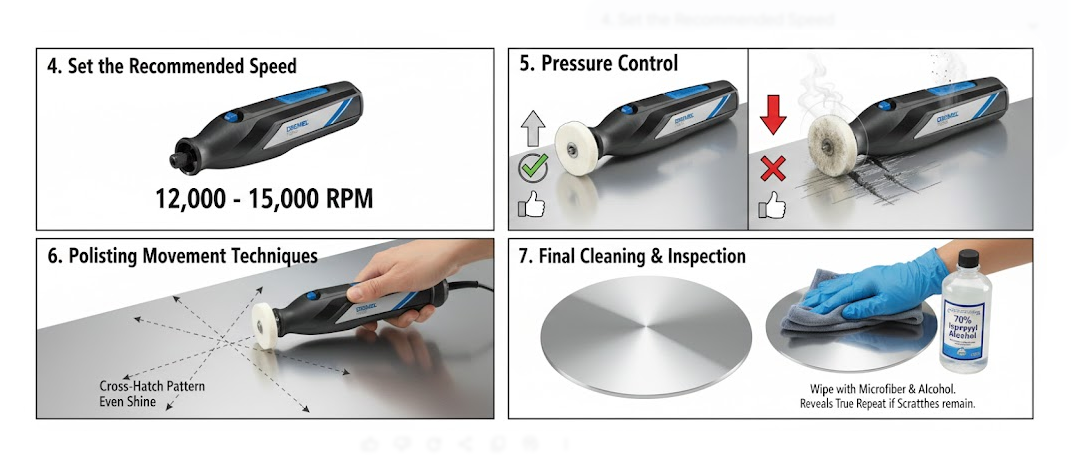
4. Set the Recommended Speed
Speed is the soul of polishing. For most metals, stay between 12,000 and 15,000 RPM.- Pro Tip: Going too fast generates extreme heat. This can burn the metal or melt the wool fibers. Slow and steady wins.
5. Pressure Control
Let the tool do the work. Use a "feather touch." If the polishing wheel flattens out or loses its shape, you are pressing too hard. Light pressure allows the abrasive grit in the compound to work effectively.6. Polishing Movement Techniques
Keep the wheel moving constantly. Use a cross-hatch pattern: move up and down, then left and right. This ensures the light reflects evenly without creating "waves" or valleys in the metal.7. Final Cleaning & Inspection
Wipe the surface with a clean microfiber cloth and rubbing alcohol. This removes the oily binder from the compound to reveal the true shine. If you see fine scratches, repeat Step 3 with a finer grit and a fresh cotton wheel.III.Advanced Techniques: Strategies for Different Metals

Not all metals react the same way. Adapt your strategy to the material.
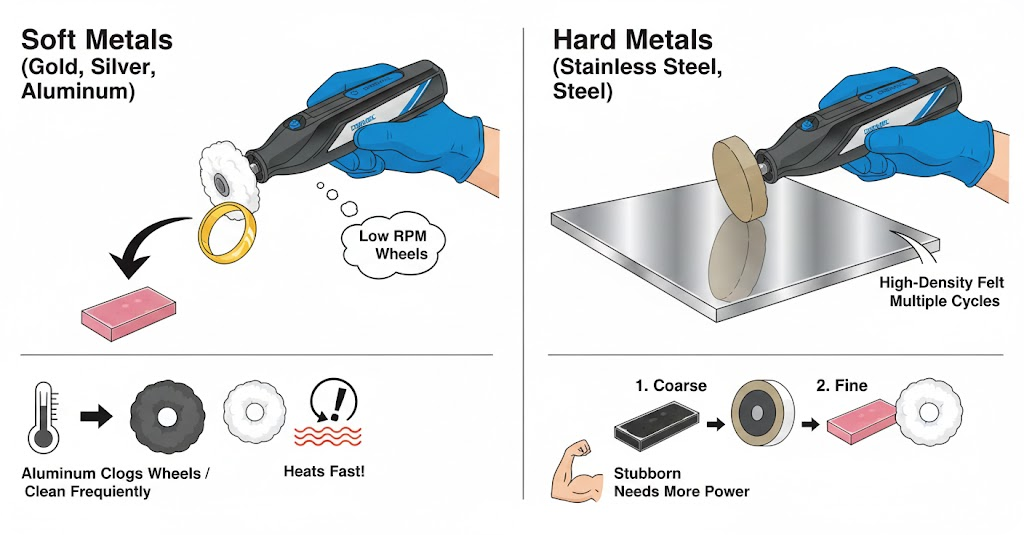
- Soft Metals (Gold, Silver, Aluminum): These heat up fast. Use a lower RPM and softer cotton wheels. Aluminum requires frequent cleaning as it clogs wheels quickly.
- Hard Metals (Stainless Steel, Steel): These are stubborn. You need high-density felt wheels and multiple cycles. Start with a coarse compound and work up to a fine one.
IV.Expert Troubleshooting Guide
Even with the best tools, you might encounter these common hurdles. Here is how to fix them like a pro:- Why is my metal turning black? This is usually normal. It is simply a slurry of metal particles mixing with the abrasive compound. Wipe it away with a cloth and alcohol to see the shine underneath. However, if you smell a burnt odor, you are likely pressing too hard—lighten your hand immediately.
- How do I prevent overheating? Small items, like rings or thin blades, heat up fast. Extreme heat can warp metal or ruin its temper (hardness). Use intermittent bursts: polish for three seconds, then pause to let the metal cool down.
- When should I replace the wheel? If your polishing wheel looks matted, hard, or dark gray, it is "loaded." This means it’s clogged with old wax and metal grit. It can no longer hold new compound effectively. At this point, it’s time to switch to a fresh wheel.
- The Danger of Cross-Contamination: Never use two different compounds on a single wheel. If you move from a coarse grit to a fine one, you must change wheels. A single coarse grain trapped in a fine wheel will act like a needle, scratching your mirror finish.
- Beware of "Wheel Shedding": Cheap, low-density wheels often fly apart at high speeds, which is a safety hazard. If you notice fibers flying everywhere, stop the tool. This is a sign of poor construction. Switch to a reinforced, high-density wheel for a cleaner and safer workspace.
Conclusion
Mastering the Dremel is about control skills over the equipment itself. The right wheel combined with the right steps creates predictable results. Polishing is a patient process. It is never a one-step task.To get the best results, you need accessories that don't quit. Many generic wheels shed or burn too easily, leaving your project messy. If you want a true, deep mirror finish, consider upgrading to Orobrush. Our high-density polishing wheels are engineered to hold compound longer and run smoother.
Ready to see the difference? Visit the Orobrush today and give your metal projects the professional shine they deserve.