

Industry News
How to Polish Jewelry - A Complete Tutorial
Curious about mastering the art of jewelry polishing or wondering how professionals achieve that dazzling, mirror-like shine? This guide dives deep into professional jewelry polishing techniques, going beyond basic home cleaning methods. We’ll explore essential tools, a detailed step-by-step process, and expert tips for flawless results.
Safety Note: Professional polishing involves power tools and chemicals. Always wear protective gear, follow instructions carefully, and consider formal training before attempting these techniques.

Unlike gentle home cleaning, which focuses on dirt removal, professional methods rely on specialized machines and abrasive compounds to physically refine the metal itself, achieving maximum smoothness and brilliance.
Safety comes first. Always wear protective gear, understand your tools, and consider formal training if you’re serious about honing this craft. With dedication, your polishing skills can rival those of the pros.
Safety Note: Professional polishing involves power tools and chemicals. Always wear protective gear, follow instructions carefully, and consider formal training before attempting these techniques.

Understanding Professional Polishing: Beyond Home Cleaning
Professional jewelry polishing is a precise craft, distinct from simple cleaning. While a cloth or toothbrush can remove surface dirt, it can’t address deeper imperfections. Professional polishing uses a multi-stage abrasion process to meticulously grind away microscopic scratches and surface irregularities, creating a smooth, highly reflective metal surface that sparkles like new.Unlike gentle home cleaning, which focuses on dirt removal, professional methods rely on specialized machines and abrasive compounds to physically refine the metal itself, achieving maximum smoothness and brilliance.
Preparation: Essential Tools and Supplies
To achieve a professional finish, you’ll need the right equipment. Proper tools ensure quality results and keep you safe.Equipment List
- Jeweler's Polishing Motor: A variable-speed motor for attaching different polishing wheels..
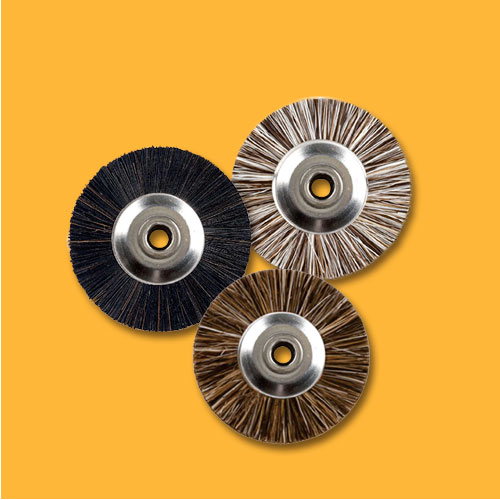
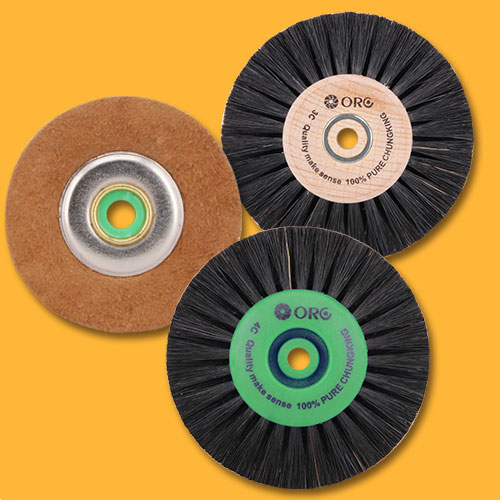
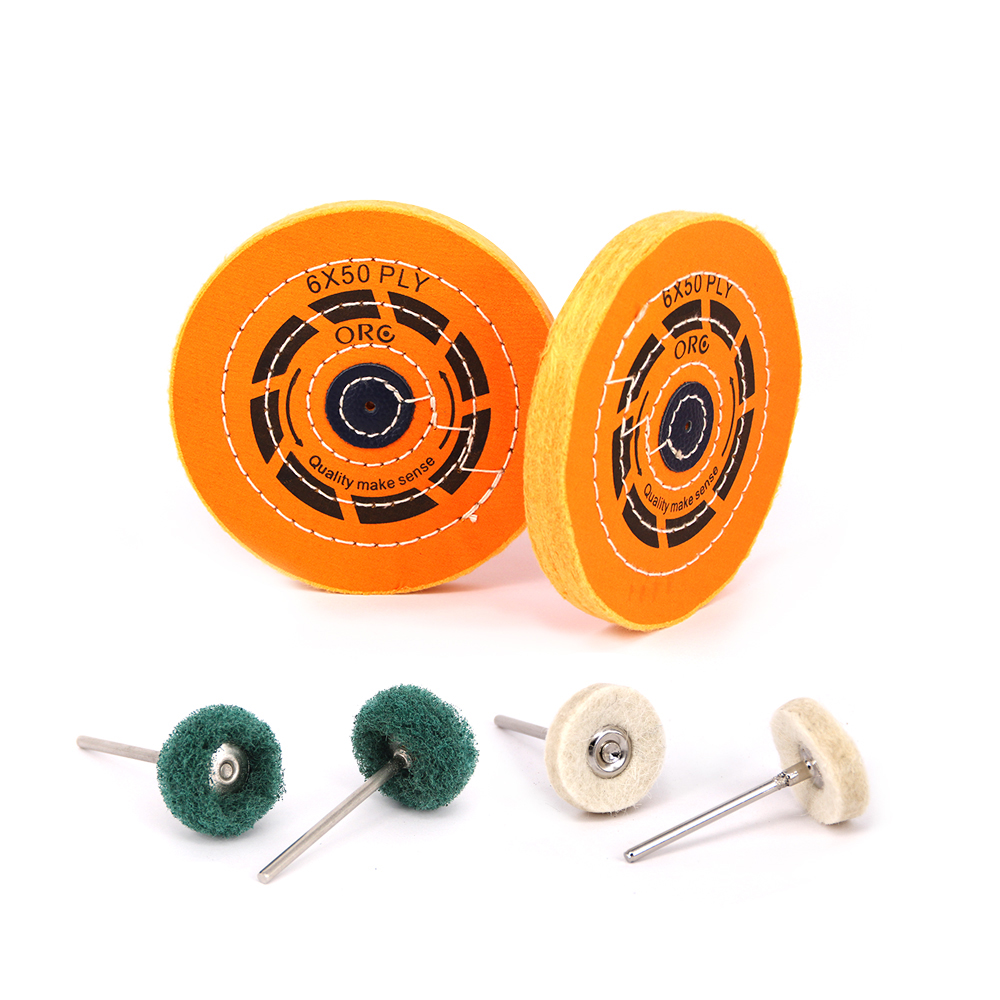
- Polishing Wheels: Various wheels for each stage:
- Coarse Wheels: Stiff cloth or felt for initial grinding.
- Medium Wheels: Flannel or cotton for intermediate smoothing.
- Soft Wheels: Ultra-soft cotton or muslin for the final mirror finish.
- Abrasive and Polishing Pastes:
- Coarse: Brown or gray compounds for removing deep scratches.
- Medium: White or blue compounds for surface smoothing.
- Fine: Green or red (rouge) compounds for a brilliant shine.
- Protective Gear: Safety goggles, a dust mask, and gloves are essential to shield your eyes, lungs, and skin from dust and chemicals.
The Professional Polishing Process: Step-by-Step
This process progresses from rough abrasion to a flawless mirror finish, with each stage building on the previous one.Step 1: Grinding/Sanding
Grinding removes deep scratches and heavy wear, laying the foundation for a smooth surface.- Purpose: Eliminate visible scratches and casting imperfections.
- Tools:
- Jeweler’s polishing motor with adjustable speed.
- Hard cloth or felt buffing wheel.
- Coarse-grit abrasive (brown or gray).
- Instructions:
- Applying Abrasive: Set the polisher to a low speed and gently coat the wheel with coarse abrasive.
- Polish the Jewelry: Wear protective goggles and a mask. Press the jewelry lightly against the spinning wheel, keeping it in constant motion to avoid overheating or burning the metal or wheel.
- Control Pressure: Use moderate pressure to remove scratches without over-abrading, especially with softer metals like gold.
- Inspect and Clean: Wipe the piece with a soft cloth to check progress. Most scratches should be gone before moving to the next step.
Step 2: Intermediate Polishing
This step smooths out marks left by grinding, preparing the surface for the final shine.- Purpose: Remove fine scratches from the coarse stage for a uniform, semi-glossy finish.
- Tools:
- Same polishing motor.
- Medium-hard cloth or flannel wheel.
- Medium-grit abrasive (white or blue).
- Instructions:
- Switch Wheels: Replace the coarse wheel with a clean medium-hard wheel to avoid cross-contamination with coarser compounds.
- Apply Abrasive: Coat the wheel evenly with medium-grit compound at low speed.
- Polish with Care: Use lighter pressure than in the grinding stage. Move the jewelry steadily across the wheel to smooth out marks.
- Check Progress: Wipe the piece clean and inspect for a consistent, semi-glossy surface. If deeper marks remain, continue polishing gently until smooth.
Step 3: Final Polishing for a Mirror Finish
This step delivers the stunning, reflective shine that defines professional polishing.- Purpose: Achieve a flawless, mirror-like surface with maximum luster.
- Tools:
- Same polishing motor.
- Soft cotton or muslin wheel.
- Instructions:
- Prepare the Wheel: Use a fresh, soft wheel and apply fine polishing compound (green or red rouge) sparingly.
- Prepare the Wheel: Use a fresh, soft wheel and apply fine polishing compound (green or red rouge) sparingly.
- Clean Thoroughly: Use an ultrasonic cleaner to remove residual compound from crevices, then wipe with a soft, lint-free cloth for a sparkling finish.
Tailoring Techniques to Different Metals
Each metal’s properties demand a tailored approach for optimal results.- Gold: As a softer metal, gold requires gentle pressure and finer abrasives to preserve its integrity.
- Platinum and Palladium: These harder metals can handle more aggressive abrasives, yielding a durable, long-lasting polish.
- Silver: Prone to tarnishing, silver benefits from a thorough post-polishing clean and an anti-tarnish coating to maintain its shine.
Post-Polishing Care and Maintenance
Polishing is only half the battle. Proper care ensures lasting brilliance.- Ultrasonic Cleaning: Use an ultrasonic cleaner to dislodge abrasive residue from crevices, ensuring a spotless finish.
- Final Cleaning: Wipe the jewelry with a jewelry-specific cleaning solution and a lint-free cloth to enhance its shine.
- Proper Storage: Store pieces in individual pouches or compartments to prevent scratches and minimize air exposure, which can cause tarnishing.
Conclusion and Safety Reminders
Mastering professional jewelry polishing is a rewarding skill that can transform a piece into a gleaming masterpiece. With the right tools, techniques, and practice, you can achieve stunning results that enhance both the beauty and value of jewelry.Safety comes first. Always wear protective gear, understand your tools, and consider formal training if you’re serious about honing this craft. With dedication, your polishing skills can rival those of the pros.