

Industry News
Are jewelry buffing wheels precise for small, intricate pieces?
Small, intricate jewelry pieces are cherished for their exquisite details and unique charm. However, bringing out their true brilliance through polishing is often one of the most challenging aspects of jewelry making. As a common polishing tool, the question arises: can the traditional buffing wheel truly deliver the high-precision results needed for these tiny, intricate works of art?


The Potential and Limitations of Buffing Wheels for Small Jewelry
Jewelry buffing wheels are a staple in any jeweler's toolkit, offering distinct advantages for various polishing tasks. Yet, their effectiveness on delicate, complex pieces comes with specific considerations.Overview of Buffing Wheel Types and Characteristics
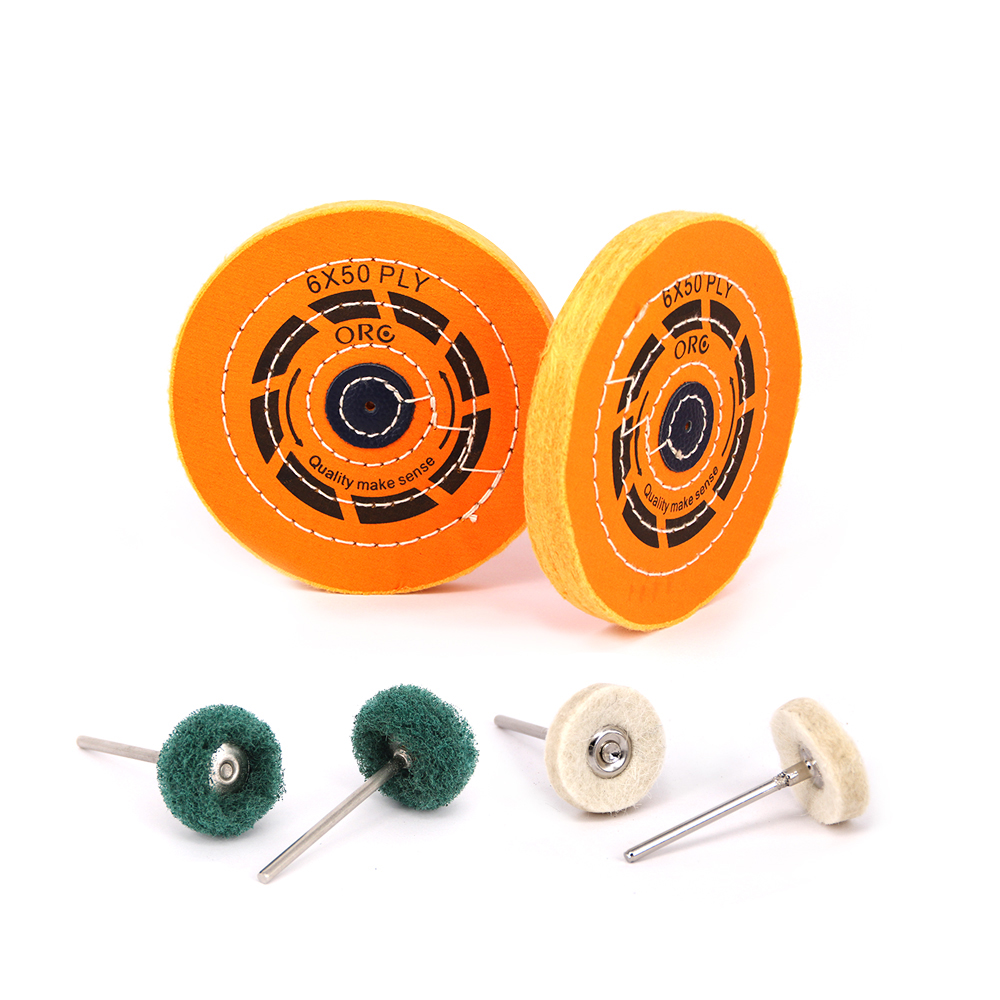
Buffing wheels come in a variety of materials, each offering different levels of aggressiveness and finish. Common types include:- Cotton Cloth Wheels: Versatile for general polishing, available in different plies and stitching for varying stiffness.
- Felt Wheels: Firmer than cotton, excellent for creating a high polish with finer compounds.
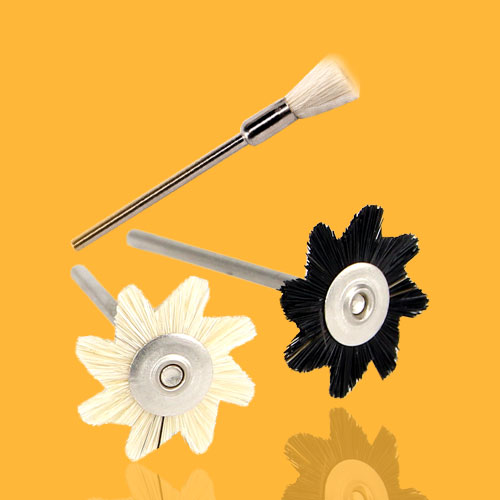
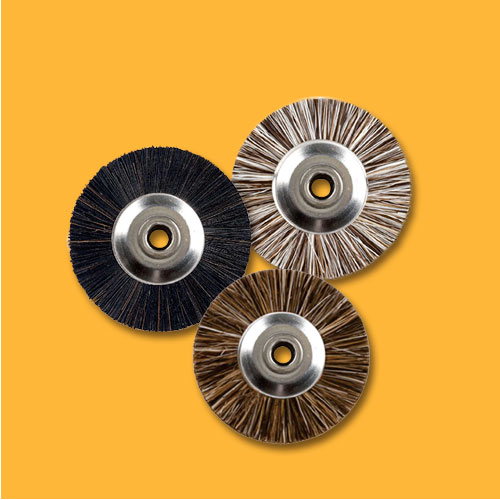
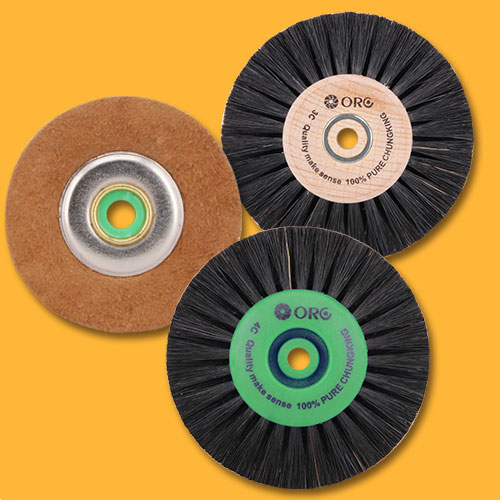
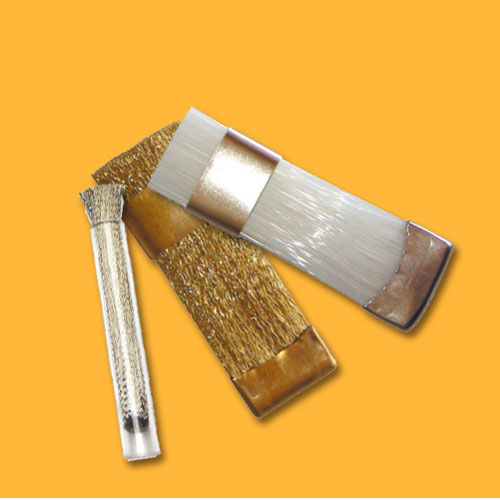
- Bristle Brushes: Often made from natural bristles, these can get into crevices, especially with abrasive compounds.
- Silicone Wheels: Impregnated with abrasives, they're great for pre-polishing and removing light scratches.
Advantages of Traditional Buffing Wheels
For many polishing tasks, traditional buffing wheels are highly efficient and versatile:- High Efficiency: On flat or relatively simple curved surfaces, they quickly remove scratches and achieve a high gloss.
- Versatility: By combining different polishing compounds (from coarse to super-fine), buffing wheels can transition a piece from rough surfacing to a mirror finish.
The Limitations of Traditional Polishing Wheels
Despite their advantages, traditional buffing wheels present significant hurdles when working with small, intricate jewelry:- Size and Accessibility: A primary frustration for jewelers is that larger buffing wheels simply cannot reach into narrow gaps, inner corners, or hollow structures. This often results in uneven polishing, leaving unsightly dull spots or "dead corners."
- Blurred Details and Wear: The high-speed operation of a buffing wheel can be a double-edged sword. It can easily and unintentionally over-polish delicate edges, intricate carvings, or fine claw settings, leading to blurred details or weakened structures.
- Heat Accumulation: Small jewelry pieces have limited surface area for heat dissipation. The friction generated during buffing can quickly build up heat, risking burns to your hands, damage to heat-sensitive gemstones (like opals or emeralds), or causing discoloration in metals (like "fire marks" on silver).
- Accidental Jamming and Damage: Delicate chains, open filigree work, or sharp protrusions on intricate designs are highly susceptible to getting snagged or entangled by a fast-spinning buffing wheel. This can quickly deform, break, or even launch the piece, causing significant damage.
- High Operating Skill Required: Achieving a flawless, uniform polish on intricate pieces without causing damage demands exceptional hand-eye coordination, a steady hand, and considerable experience. It's a skill honed over time, making it a significant challenge for beginners.
Key Strategies and Tools for High-Precision Polishing of Small, Complex Jewelry
While traditional large buffing wheels have their limits, modern tools and refined techniques offer solutions for achieving exquisite precision on intricate jewelry.1. Choosing the Right Polishing Wheel and Accessories
For precision work, the right tool makes all the difference:- Small Polishing Wheels: These are essential. Look for micro-sized cotton wheels, felt bobs, or wool wheels designed for use with rotary tools like engraving machines or flex shafts. Their tiny dimensions allow access to tight spaces.
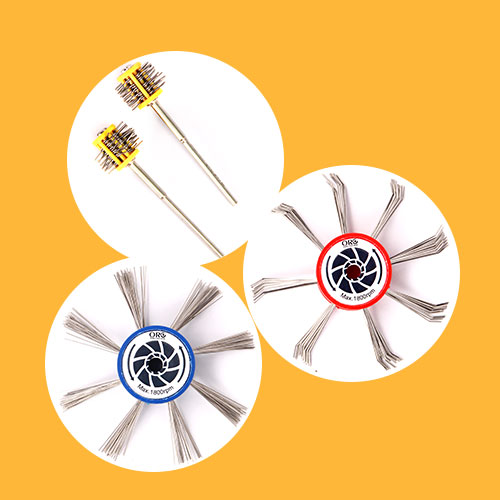
- Brush Polishing Wheels: 3M Radial Bristle Discs are game-changers. Their flexible, abrasive bristles effectively reach into intricate details and around delicate structures, significantly reducing the risk of wear while delivering an excellent finish.
- Silicone Polishing Heads/Grinding Heads: These come in various shapes and grits, perfect for removing fine scratches, pre-polishing, and getting into complex contours where traditional buffs can't reach.
2. Using Auxiliary Tools for Enhanced Control
Precision polishing often relies on specialized support tools:- Hanging Grinder (Flex Shaft) or Micro Motor: These tools provide exceptional control over speed and torque, crucial for delicate work. They allow you to mount tiny polishing accessories and maneuver them with precision.
- Polishing Paste Selection: Use a range of polishing pastes from coarser compounds for initial cutting to super-fine liquid agents for the final high-mirror finish. Using the correct paste for each stage is vital.
- Fine Grinding Tools: For the most intricate nooks and crannies, sometimes manual methods are best. Polishing ropes, thin polishing cloth strips, or even toothpicks dipped in polishing paste can be used to reach areas no wheel can.
3. Innovative Polishing Technologies
Beyond direct abrasion, advanced technologies offer alternative, highly effective methods for intricate pieces:- Magnetic Polisher (Magnetic Tumbler): This remarkable technology uses tiny stainless steel pins (often less than a millimeter thick) propelled by a magnetic field within a liquid solution. These pins gently yet effectively "scrub" the entire surface of the jewelry, reaching deep into hollow designs, chain links, and around intricate stone settings. It provides an exceptionally uniform polish and cleans inaccessible areas without abrasive wear.
- Vibratory Polisher: While primarily used for deburring and pre-polishing large batches of small items, a vibratory tumbler can provide a consistent base polish. However, it generally won't achieve the same mirror finish as direct polishing with compounds.
- Ultrasonic Cleaning: After any polishing process, ultrasonic cleaning is indispensable. It uses high-frequency sound waves to dislodge residual polishing compounds and metal dust from every crevice, ensuring a truly sparkling finish.
Operating Skills and Precautions for Precision Polishing
Mastering the art of polishing small, intricate jewelry requires not just the right tools, but also refined technique and careful attention to detail.- Stable Grip: Always ensure both the jewelry piece and your polishing tool are held securely to prevent slips and accidents.
- Control Speed and Pressure: For small, delicate jewelry, always use low speeds and apply very light, consistent pressure. This prevents overheating, excessive material removal, and accidental damage.
- Segment Polishing: Break down the polishing process into segments. Focus on one area or detail at a time, moving methodically around the piece.
- Regularly Clean Polishing Wheels: To avoid cross-contamination of different abrasive compounds (which can lead to scratches), dedicated wheels should be used for each polishing stage (e.g., cutting, pre-polish, final polish).
- Safety Protection: Always wear safety glasses to protect your eyes from flying debris or polishing compounds. Gloves are also recommended to protect your hands and provide a better grip.
- Patience and Experience: Precision polishing is a skill that improves with practice. Be patient, take your time, and learn from each piece you polish.