

Industry News
10 Best Tips for Polishing Gold Like a Pro
Your gold jewelry might be dull. A basic clean isn't enough for a professional, mirror-like shine.You don't need years of experience to achieve it. With the right tools and our expert guide, you can use professional supplies to restore a deep, pro-level shine yourself.


Choose the right polishing tools to move beyond superficial home cleaning and embrace true professional brilliance.
Visit Orobrush website now to select the professional polishing wheels, auxiliary tools needed to implement these 10 tips and start your journey to professional gold polishing!
The 10 "Professional Tips" (Pro Tips) for Polishing Gold

1. Scratch Grading: Select Abrasives Based on Damage Level
A professional never treats all scratches the same way. The first step to successful polishing is assessing the damage severity.- Professional Tip: For visible deep scratches, you must pre-treat the area with coarse polishing paste and low-grit media (e.g., 600-800 grit sandpaper or compound). Skipping this step means all subsequent polishing is merely smoothing dirt, not removing damage.
- Purpose/Effect: To effectively remove deep damage and establish a smooth foundation for subsequent fine polishing.
2. Coarse Polishing: The "Golden Pair" of Wheel and Compound
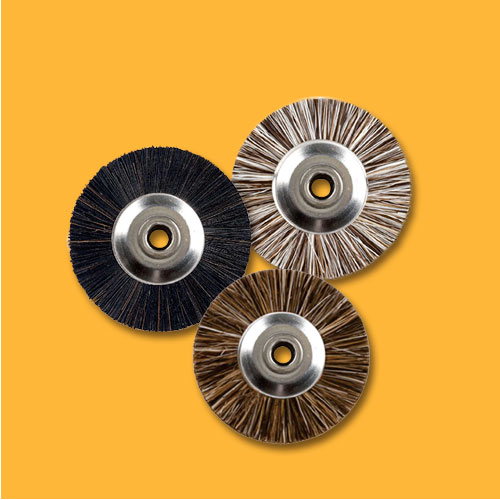
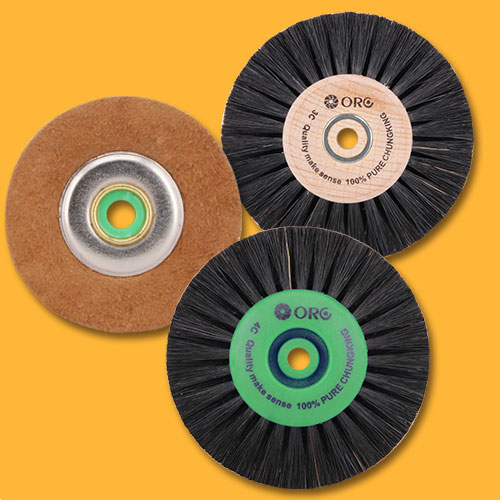
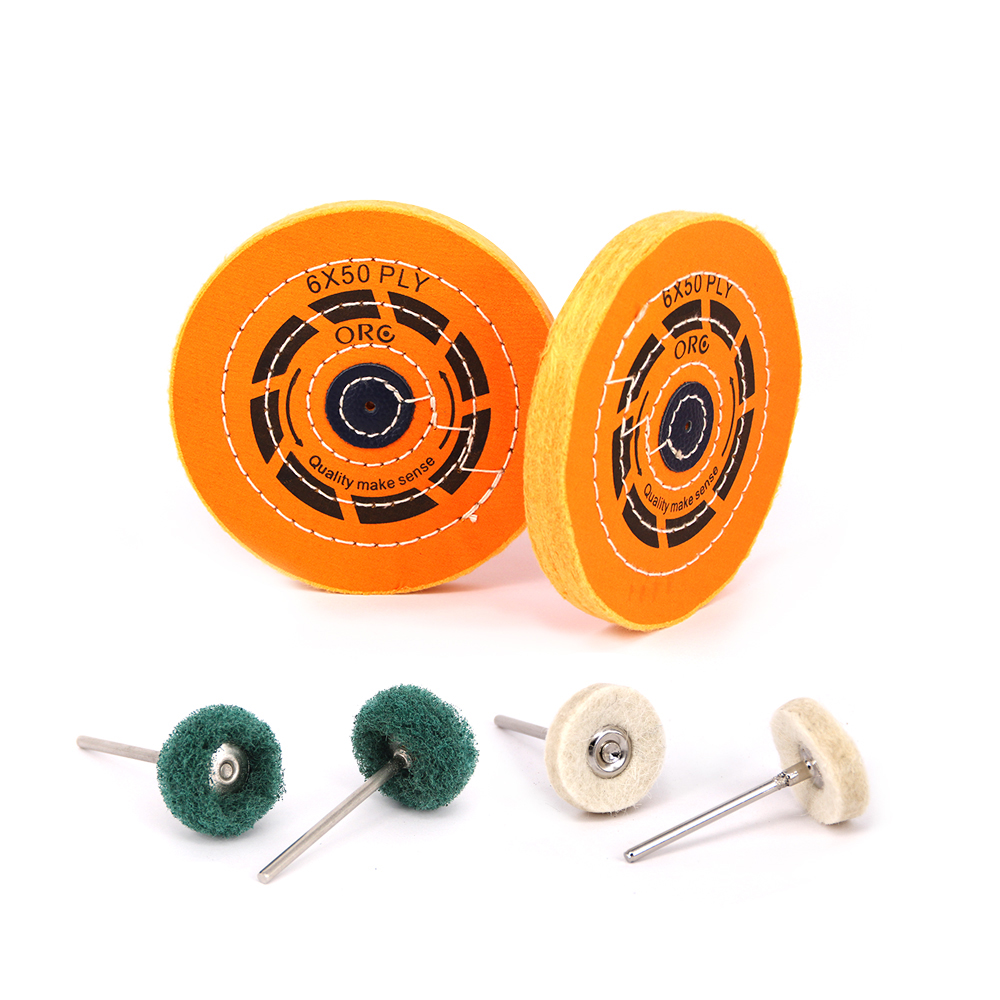
The coarse stage is critical for removing surface unevenness. The right material pairing significantly boosts efficiency.- Consumables Tip: For coarse polishing, use a stiff, dense buffing wheel (e.g., canvas or linen wheel) paired with a high-cutting, coarse polishing paste (such as black or brown). Both are indispensable for efficient material removal.
- Purpose/Effect: To quickly level minor surface irregularities and achieve efficient initial grinding.

3. Intermediate Transition: Dedicated Wheels for Dedicated Use
Professional polishing is a multi-stage process. If coarse abrasive particles are carried over to the final stage, they will cause "re-scratches" on the shiny surface.- Operating Tip: Ensure a dedicated polishing wheel is used every time you change the grade of polishing compound. This is crucial for preventing cross-contamination and ensuring a uniform, flawless final shine.
- Purpose/Effect: To ensure each step uses pure abrasive, preventing contamination and guaranteeing consistent final luster.
4. Constant Speed: Prevent Gold Surface "Burning"
Gold is a soft metal, and friction can generate heat, potentially causing the surface to soften or deform.- Professional Tip: When using a polishing machine, maintain a constant medium-to-high speed (RPM) and continuously move the jewelry piece. Avoid applying excessive pressure or lingering in one spot, as this localized overheating can "burn" the gold.
- Purpose/Effect: To protect the gold surface from potential melting or damage caused by excessive localized heat.

5. The "Ultimate Formula" for a Mirror-like Finish
The final polishing stage is the most critical for achieving the highest level of brilliance.- Materials and Techniques: Fine polishing requires ultra-soft, highly conforming buffing media (e.g., wool wheels or extremely fine cotton flannel wheels), paired with an ultra-fine polishing compound (such as classic red Rouge or ultra-fine blue). This specific combination is the secret to a perfect mirror finish.
- Purpose/Effect: To achieve the highest degree of surface smoothness and mirror reflection.
6. Utilizing Specialized Consumables for Details
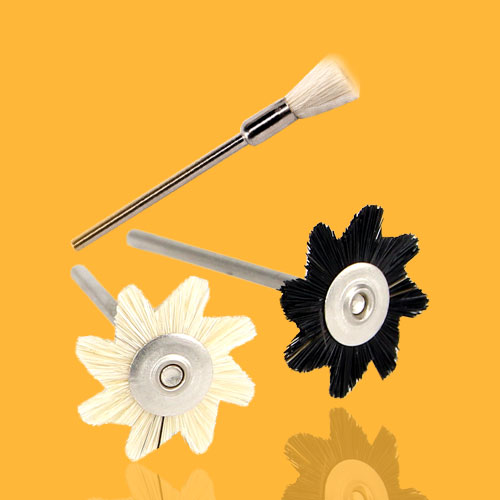
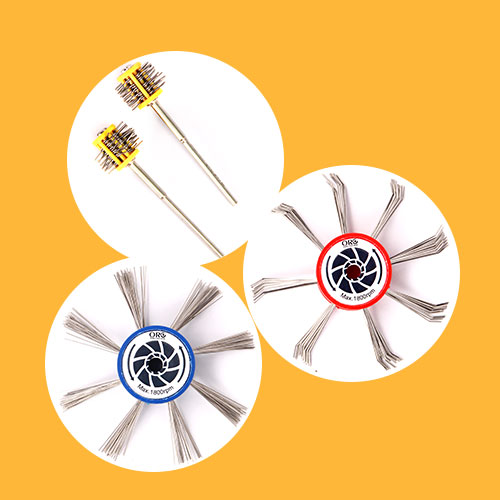
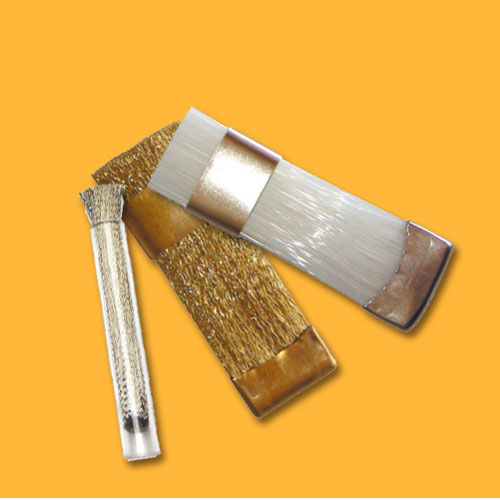
Standard buffing wheels often cannot reach intricate design elements.- Tools and Techniques: For the inside of rings, prong settings, chain links, and filigree, you should use small felt tips, tapered cloth wheels, or boar bristle brush wheels. These specially shaped consumables effectively deliver the polishing compound into tiny areas.
- Purpose/Effect: To thoroughly clean and polish areas that are inaccessible to ordinary wheels, ensuring comprehensive coverage.

7. Ultrasonic Cleaning: Before and After Polishing
Professional cleaning is an indispensable step in the overall process.- Professional Techniques: Use ultrasonic cleaning before polishing to remove deep-set dirt and oils. Use it again after polishing to thoroughly remove any residual polishing compound from crevices. This is far more effective than simple rinsing.
- Purpose/Effect: To completely remove grease and polishing compound residue, ensuring a flawless final result.
8. Strict Adherence to the "Fingerprint-Free" Principle
A perfectly polished piece can be instantly compromised by the slightest touch.- Maintenance Techniques: When handling freshly polished gold, always wear clean cotton gloves. Oils and acidic substances from your fingers will immediately adhere to the highly reflective surface, significantly diminishing the final aesthetic quality.
- Purpose/Effect: To maintain the final shine and prevent secondary contamination.

9. Material Taboo: Avoid Toothpaste and Home Remedies
Convenient "home remedies" found online often cause irreversible damage to fine gold jewelry.- Material Taboo: Strongly advise readers against using common household items like toothpaste or baking soda for polishing. These often contain hard abrasive particles that can inflict tiny but permanent "abrasive" scratches on the gold surface.
- Purpose/Effect: To protect gold from damage caused by inappropriate, non-professional household items.
10. Regular Maintenance: Extend the Life of the Shine
Professional polishing results require simple, consistent maintenance.- Product Tips: Promote the use of a professional two-step polishing cloth (often infused with cleaning and polishing agents) for daily upkeep. Regular light wiping (weekly or monthly) dramatically extends the life of a professional polish, reducing the need for frequent deep abrasive work.
- Purpose/Effect: To preserve the luster and reduce the frequency of professional-grade abrasive polishing.
Conclusion: Your Professional Polishing Partner
The right polishing abrasives and consumables are the foundation for achieving professional-grade results on gold. By mastering these 10 tips, you can confidently select the correct compounds and wheels, and utilize professional tool combinations to restore your gold jewelry to its original, brilliant shine.Choose the right polishing tools to move beyond superficial home cleaning and embrace true professional brilliance.
Visit Orobrush website now to select the professional polishing wheels, auxiliary tools needed to implement these 10 tips and start your journey to professional gold polishing!